Should You Wait to Dye Hair After Summer?
Waiting doesn't heal summer hair on its own. What actually decides the result is the protocol you run during those days — not the number of them.
Blendsor
Blendsor Team
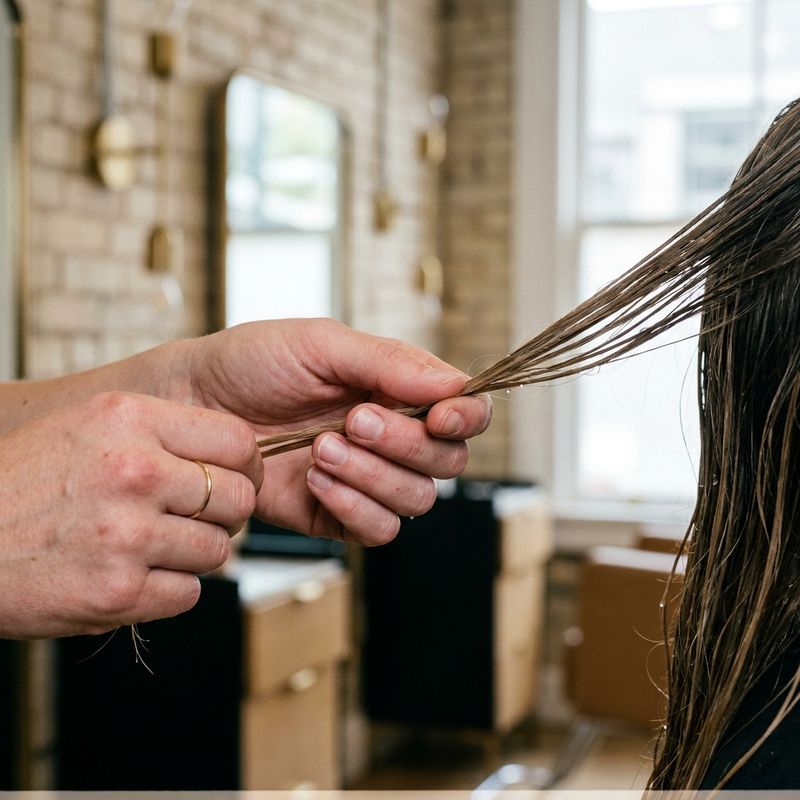
“I gave it two weeks to rest.” They say it like they did their homework — spaced out the washes, skipped the flat iron, let time pass before sitting in your chair.
If you’re behind the chair professionally, you know exactly what comes next. You check the strand and the hair isn’t better. It’s the same, with a little less color left and two weeks of new root it didn’t have in July.
Here’s what actually happens during that waiting window, why the calendar isn’t the variable that decides the September result, and which protocol is. The full breakdown of the rest of the season’s protocols lives in the professional coloring techniques guide.
Should you wait to dye hair after summer?
Not for the reason most people assume. Ten or fifteen days of waiting don’t repair anything in the fiber: during that time new hair grows in at the root, some of the leftover color fades out with each wash, and the fiber itself sits exactly where summer left it. What decides whether the September result holds up isn’t how long the client waited — it’s how you read that hair and what you do with it before you mix anything.
Quick summary: waiting, on its own, doesn’t improve the starting point of summer-damaged hair — sun and chlorine damage don’t “heal” with the passage of days. What does change in that time is new root growth and fading leftover color through the mid-lengths and ends. September’s result depends on reading the wet strand zone by zone and on what you do before you mix, not on a number on the calendar.
What actually happens in those ten or fifteen days?
Three things happen, and none of them is the fiber recovering on its own. New root grows in — hair that’s recent enough to have missed the summer’s wear. Washes strip away leftover color a little more each week. And the fiber damaged by sun, salt, and chlorine doesn’t rebuild itself by waiting: time doesn’t close a cuticle that summer opened.
It’s easy to assume time helps because, dry, the hair looks the same at day five as it does at week five. Visible texture doesn’t reveal the cuticle’s real state — which is exactly why a reliable read isn’t done by eye. It’s done wet, zone by zone.
That’s the same logic behind zone diagnosis: roots, mid-lengths, and ends arrive in September with different histories because they lived through summer differently, not because some zones “rested” more than others. That’s covered in full in restoring hair color after summer, which also explains why a June reference photo stops being useful by September.
The practical consequence: if a client shows up two weeks later than usual thinking they’ve done the hair a favor, the only thing that actually changed is how much root there is to cover and how much color there is left to rebuild. Whatever summer damage was there to begin with is still exactly there.
That said, time does bring one thing, and it’s worth saying out loud: every week is more new hair with no summer on it, and more length you can afford to take off. It doesn’t repair a single inch of damaged fiber — what shifts is the ratio of healthy to damaged fiber on that head. That’s the nuance: what pays off is a wait with a cut and a treatment inside it.
If it’s not time, what actually changes the result?
What happens inside those days — not how many of them there are. A zone-by-zone diagnosis done on wet hair, the only reliable way to read how each section of the head arrived. A porosity-balancing treatment if the crown and the more exposed lengths are more open than the nape. And, if the length calls for it, a cut that removes the most damaged part before any formula goes on. Above all of that sits the elasticity test: if the wet strand stretches and doesn’t spring back, that hair isn’t lightened until the fiber is stabilized. Before mixing anything onto that fiber, a strand test: on hair that’s come through sun, salt, and chlorine it’s the only thing that tells you how it will really answer the developer, and it costs a lot less than redoing a color. And if it’s permanent color on someone who hasn’t had it before, the 48-hour patch test — that’s a wait with a reason, and it belongs on the same calendar we’re talking about.
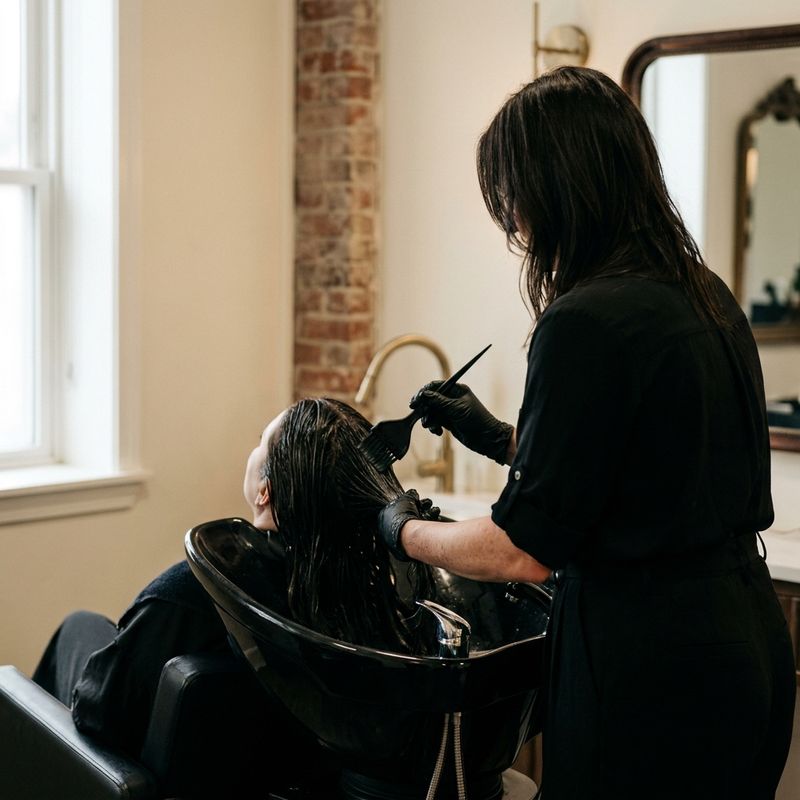
The protocol doesn’t wait — it runs on the same days the calendar does.
| What happens during those days | Effect on the fiber | Effect on the final result |
|---|---|---|
| Just waiting, no protocol | No improvement — waiting doesn’t rebuild a cuticle summer opened | More root to cover, more color to rebuild |
| Zone diagnosis + porosity treatment | Reduces the imbalance between zones | More even application, fewer tone surprises |
| Cutting the most damaged ends | Removes fiber that no longer responds predictably | Fewer risk zones on the same head |
That diagnosis — reading the wet strand by zone instead of trusting the dry, visual level — is exactly what separates a service that guesses from one that decides on evidence. The full protocol, including how to adjust developer and timing by damage zone, is in summer sun and chlorine damage: reading hair before coloring.
Ten days spent on that pays off. Ten days on the calendar with no protocol behind them change nothing in the fiber.
Two appointments, the same fiber: what actually made the difference
Rocío booked for the first week of September, then pushed it back two weeks “to let the hair breathe” after a summer of weekend trips to the community pool. She showed up convinced she’d done the right thing.
On the wet strand, the crown and the ends showed the same high porosity they would have shown two weeks earlier — gummy texture, reduced elasticity at the last few inches. The only thing that had actually changed was the root, more new growth to cover, and the ash blonde she’d worn in July had faded further than it would have if she’d come in during that first week.
Compare that to Noelia, who booked that same first week without waiting at all. Her wet strand told a similar story — crown and ends open after the same summer of pool weekends — though never an identical one: damage distribution and elasticity don’t copy across from one head to another, and each protocol came out of its own read. What did line up was the order of work: balance porosity before any color goes on, drop developer volume on the most exposed zones, standard formula where the fiber was intact. Rocío’s two extra weeks moved none of that. They moved how much root there was to cover.

Sometimes what changes the result isn’t a formula — it’s a couple fewer inches of damaged fiber.
The other question: waiting between two lightening sessions does have an answer in weeks
Two questions get mixed up in the September conversation, and it’s worth separating them. One is the subject of this article: whether to let time pass before coloring hair that’s been through summer. The other, different question is how long to wait between two lightening sessions on the same hair — and that one is answered in weeks, not by feel: time is left between two lightening processes, because there the risk isn’t fading color, it’s stacking chemical damage on a fiber that hasn’t stabilized yet.
The gap depends on the process: color stripping also needs a margin. A toner or a tone-on-tone service doesn’t repeat the lift, so it doesn’t ask for that wait; the caution there is in the application if the fiber is already sensitized, not on the calendar. The specific timing by process is in safe hair lightening: how to prep hair before lightening.
If a client just wants to get back to their usual shade after summer, that weeks-long wait doesn’t apply. If they’re asking to lighten further than what they already have, it does.
Frequently asked questions
How long should you wait to dye hair after summer?
There’s no single number of days that works for every case. What determines whether you can color now or need a treatment first is the zone-by-zone diagnosis on wet hair, not the calendar since the return from vacation.
Is it true that hair needs to “rest” before coloring?
Rest, understood as doing nothing, doesn’t repair fiber damaged by sun, salt, or chlorine. What does help during that time is a treatment aimed at each zone’s actual porosity — that’s not resting, that’s treating.
How long should you wait between two lightening sessions?
That’s a different question from coloring after summer: time is left between two lightening processes on the same hair, to avoid stacking chemical damage. The specific timing is in safe hair lightening: how to prep hair before lightening.
If I’m not coloring yet, what should I do with the hair in the meantime?
Diagnose it by zone and treat it based on what that read shows — don’t just leave it waiting for its turn. The diagnostic protocol is in summer sun and chlorine damage: reading hair before coloring.
Key takeaways
- Time alone repairs nothing. Waiting doesn’t close the cuticle or reverse damage from sun, salt, or chlorine.
- What changes during the wait is new root and fading color — not the damaged fiber, which stays exactly as it was.
- The result depends on the protocol, not the calendar: zone diagnosis, a porosity treatment, and a cut if it’s needed.
- Waiting weeks does make sense — just for something else: between two lightening sessions, not between summer and a color service.
Calculate professional formulas with AI
Want to generate personalized formulas for a back-to-salon color that account for the real diagnosis of each zone — not just how many days have passed since summer?
How many clients walk in every September convinced that waiting was the plan?
What happens if you dye hair right after summer without waiting?
In the app, we ask you a question like this one, but about your own client.
More on global color →Related articles
Practice with our colorimetry tools
Calculators, neutralization wheel, AI consultation...
The Blendsor newsletter
Color techniques and trends for professionals. No spam.
A client in the chair right now?
The Blendsor advisor gives you the precise formula for this technique with your salon's brands — and saves it to your client's card.
Ask about your caseWritten by the Blendsor team
Professional hair colorimetry experts with experience in AI-assisted formulation. We combine color science, salon practice and technology to help colorists formulate with precision.