Spring Hair Color Trends 2026: The Tones Coming In
The 6 trending hair colors for spring 2026 your clients are already requesting: cherry crush, toasted copper, soft black and more. Formulation guide for colorists.
Blendsor
Blendsor Team
Have you noticed your appointment book is already shifting? March arrives and clients start asking for something different. Something more luminous, more warm-toned, more in tune with the season ahead.
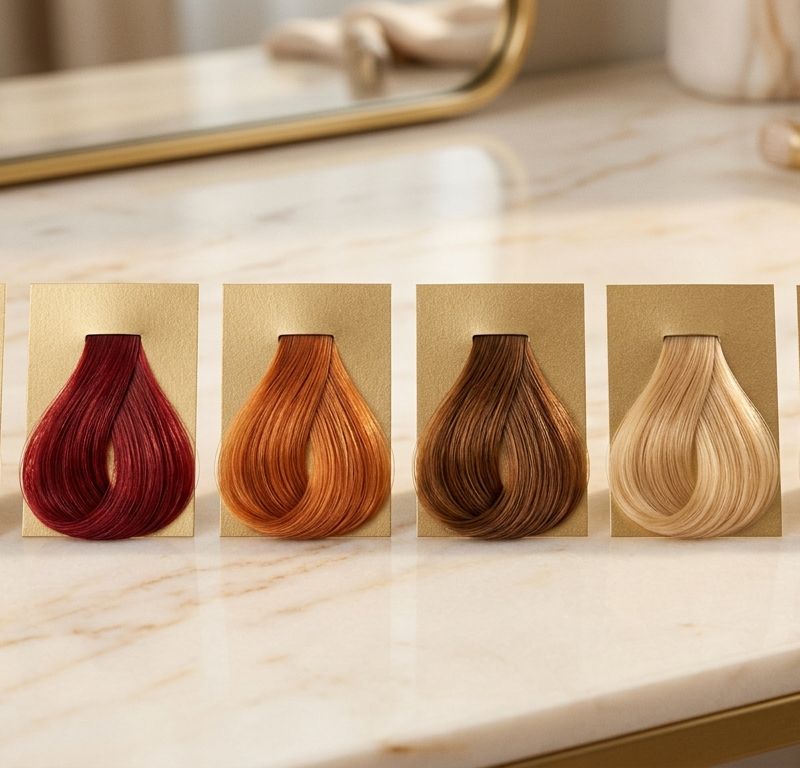
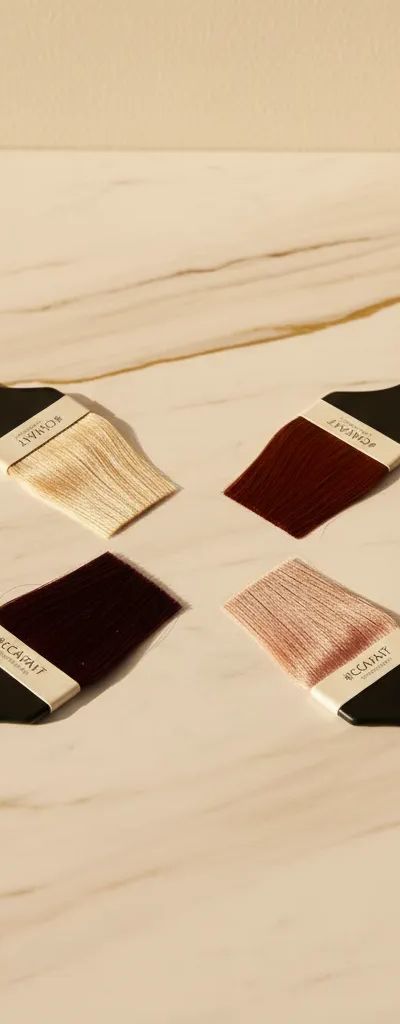
The spring hair color trends 2026 have specific names: Cherry Crush, Toasted Copper, Butter Blonde, Soft Black, Caramel Flan and Boy Blonde. Six tones confirmed by professional platforms like Behind the Chair, Bustle and Marie Claire that are already showing up in salon consultations across the country.
Quick summary: Spring 2026 hair color trends center on natural warmth with dimension: toasted coppers, creamy butter blondes, dimensional cherry-crush reds and soft brunettes with gentle highlights. The overarching direction moves away from flat, single-process looks toward rich bases with movement and luminosity.
In this guide you will find each tone described precisely, who it flatters, and the formulation approach you need to execute it confidently.
What are the spring 2026 hair color trends?
The six confirmed spring 2026 trends are: Boy Blonde (warm, lived-in blonde), Cherry Crush Red (dimensional red as seen on Addison Rae), Toasted Copper (copper with depth and burnt-sienna warmth), Soft Black (rich black with warm undertones), Caramel Flan (honey-caramel brunette) and Butter Blonde (creamy warm blonde from Marie Claire). All six share a common thread: warmth, naturalness and low perceived maintenance.
These trends do not emerge randomly. According to the Pantone Color Institute, the 2026 chromatic direction prioritizes earthy, warm and enveloping tones that communicate calm and authenticity. Hair is no exception: clients are asking for palettes that integrate with their skin tone rather than contrast against it aggressively.
You can find the full macro context in our hair color trends 2026 guide, which covers the bigger picture of this color cycle.
| Trend | Color family | Target level | Client profile |
|---|---|---|---|
| Boy Blonde | Warm / golden blonde | 8-10 | Natural or colored blondes wanting freshness |
| Cherry Crush Red | Dimensional / cherry red | 5-7 | Brunettes ready for intense color |
| Toasted Copper | Toasted copper / burnt sienna | 6-8 | Brunettes or existing coppers wanting depth |
| Soft Black | Black with warm undertones | 1-3 | Dark naturals or those reducing maintenance |
| Caramel Flan | Honey-caramel brunette | 5-7 | Brunettes wanting warm luminosity |
| Butter Blonde | Creamy / butter blonde | 8-10 | Blondes eliminating brassiness |
What is Boy Blonde and how do you formulate it?
Boy Blonde is a warm, natural and casually falling blonde without the ultra-polished finish of heavily worked color. It references a summer blonde that does not look freshly done. Bustle ranks it as the number one blonde trend for spring 2026, and salon demand already confirms it.
The technical key is texture: nothing homogeneous. You work with loose, fine highlights and golden-honey reflections that create movement. Not an extreme balayage, not a flat blonde — the midpoint that delivers the “this is just my hair” effect.
For more detail on this type of lived-in warmth, our Teddy Bear Blonde 2026 article explores the same DNA of natural warmth with professional precision.
Professional tip: For Boy Blonde from level 6-7, work with thin foils concentrated around the face and upper sections, leaving lower layers darker. Use a honey-gold toner with no ashy component for the finish.
Starting level 7-8: Lift a maximum of 2 levels with highlights, then close with a golden-caramel toner at level 9, zero ash.
Starting level 5-6: Partial pre-lightening is required before toning. Direct tint will produce a result too flat for this trend.
How do you achieve Cherry Crush Red?
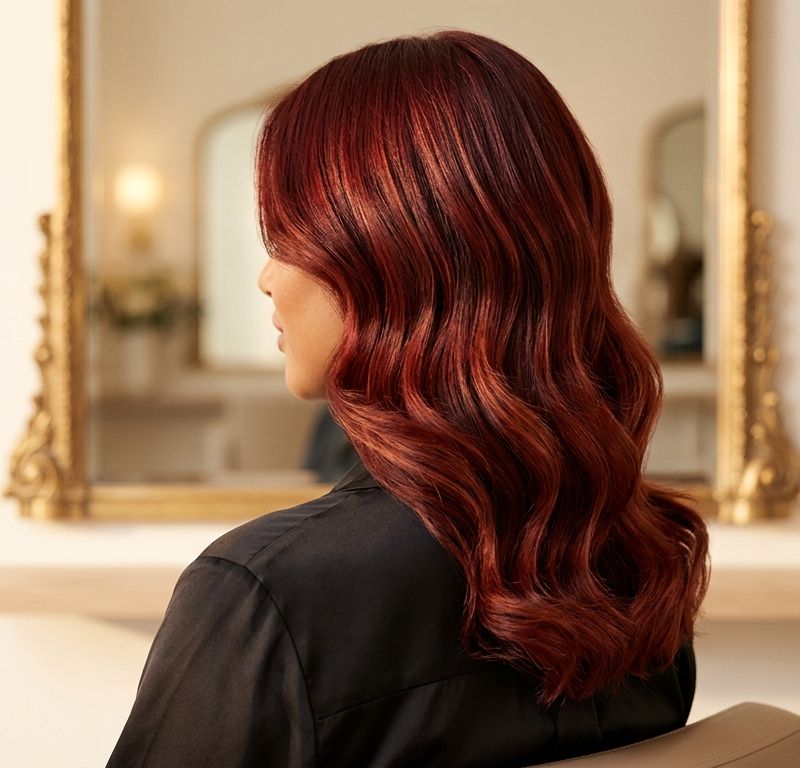
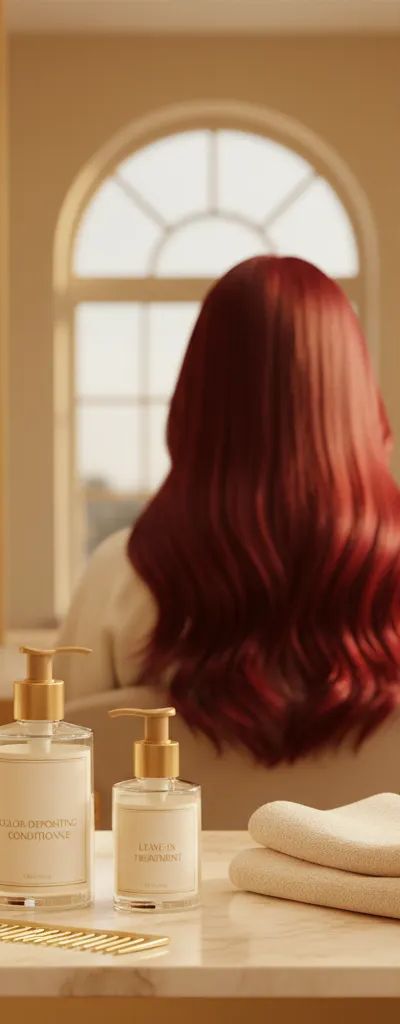
Cherry Crush Red is a dimensional red with depth and shine. Not a flat red, not a copper: it lives in the family of dark reds, cherry-toned, with burgundy in the shadows and red-violet in the lights. Addison Rae brought it to mainstream platforms and Behind the Chair confirms it as one of the most requested reds of the season.
This is a technically demanding tone. It requires a homogeneous base so the red does not pull orange in lighter areas, and it needs an anti-fade protocol from day one.
If your clients are already requesting reds, reviewing our long-lasting red formulas guide is essential — it covers underbasing and sealing glaze techniques specifically engineered to prevent the color fading within three weeks.
| Starting level | Cherry Crush approach |
|---|---|
| Level 3-4 (dark) | Direct red-cherry tint, no pre-lightening. Shade 5-6 red + violet |
| Level 5-6 (medium brown) | Base equalization with red base tone + dimensional color application |
| Level 7+ (light) | Underbasing in red required before final color application |
Key reflection: Cherry Crush combines red (R) with a touch of violet (V) or purple depending on your brand’s coding. Without that violet component, the red reads too warm and loses the cherry depth.
Warning: On oxidized hair or hair with mineral buildup, red can shift to intense orange. Always review the hair history before committing to a formula.
What sets Toasted Copper apart from a regular copper?
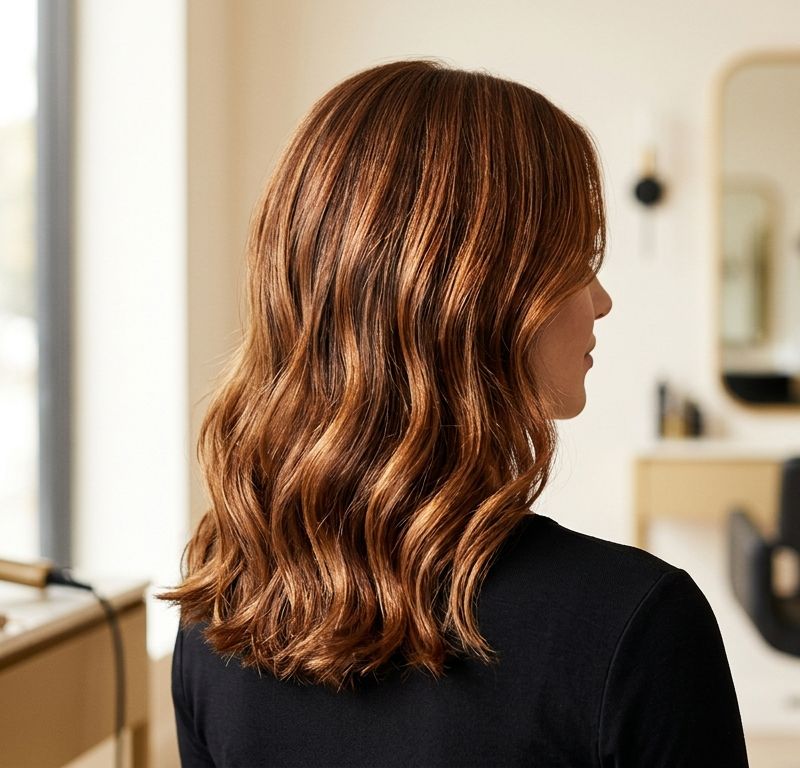
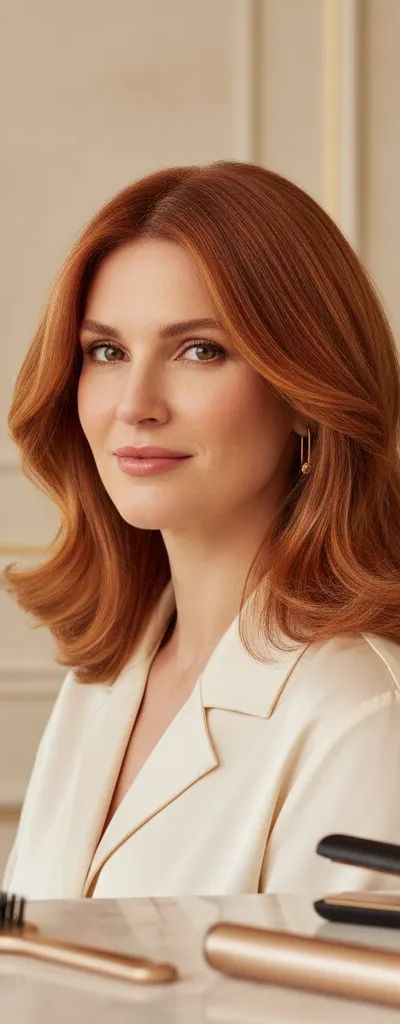
Toasted Copper is a copper shade with more depth and less saturation than the vibrant coppers of recent seasons. It sits in the burnt-sienna family: copper with a brunette base that gives it volume and sophistication. It does not shine aggressively — it glows with warmth.
The technical difference from a classic copper lies in the darker starting level and the reflection. While a ginger tone works at levels 7-8 with heavy orange-copper pigment, Toasted Copper lives at levels 6-7 with a blend of copper (C) and golden (G) that anchors the tone and creates that toasted sensation.
We have explored the copper family in depth in our Ginger Glow 2026 article. Toasted Copper is the elder sibling — more mature, with more dark base.
Toasted Copper technical profile
- Target level: 6-7
- Primary reflection: Copper (C) + Golden (G), approximately 2:1 ratio
- Secondary reflection: Minimal violet to balance without cooling
- Developer: 20 vol to preserve depth
- Ideal candidates: Natural brunettes level 4-5 who want warmth without losing dark base
How do you formulate Soft Black for spring?
Soft Black is the black that does not look like black. It is a level 2-3 with warm undertones (golden or chocolate) that lift the harshness of flat black and make the color look alive. For spring, soft highlights at level 4-5 in strategic sections create dimension without losing the essentially dark character.
The appeal of this tone for the salon is practical: it is the perfect answer for clients who want to reduce visit frequency without sacrificing beautiful color. A well-formulated Soft Black holds 8-10 weeks without the root line becoming too noticeable.
The shadow root technique is your ally here. Applying it as the foundation of a Soft Black creates an imperceptible transition between the tint and new growth.
Professional tip: For Soft Black, blend a level 2 with a cocoa or soft golden reflection — not blue or green. The result is a black that in outdoor light reads as a very dark, alive-looking brunette.
What is Caramel Flan and who does it suit?
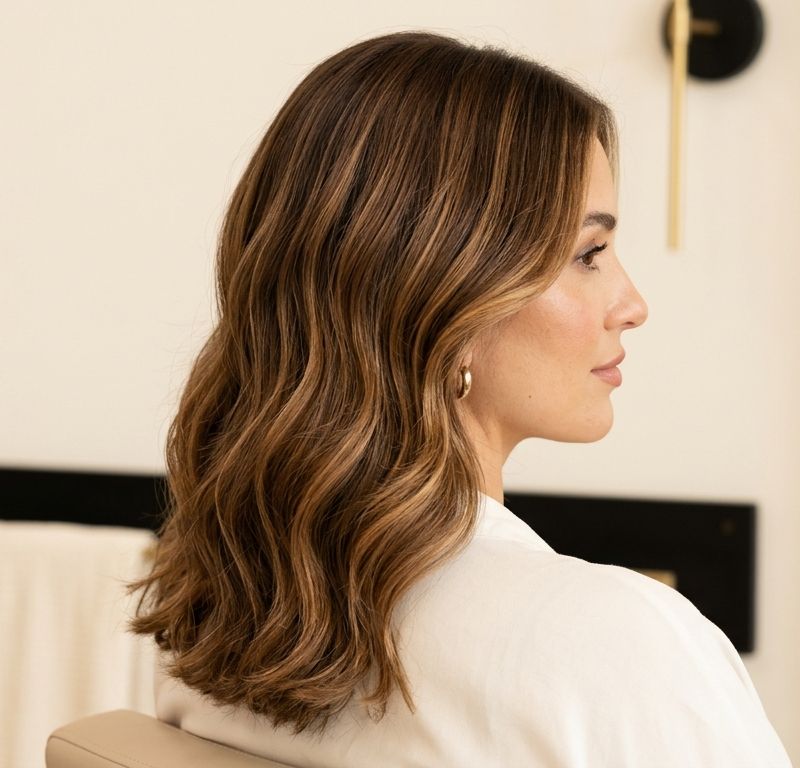
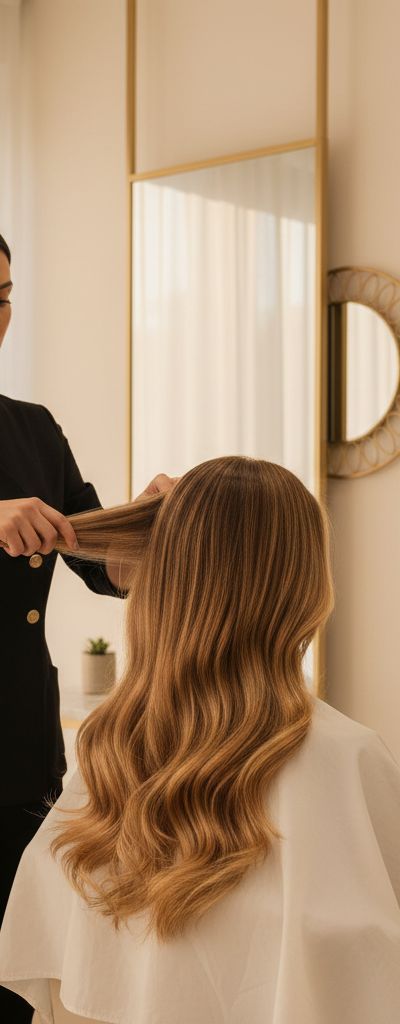
Caramel Flan is a warm brunette that layers honey and caramel tones. Not an aggressive balayage, not a flat brunette: it is a medium brunette at level 5-6 with golden and honey reflections distributed to create dimension from root to tip.
The name says it all: the visual texture resembles a flan’s glaze, with soft caramel layers over a darker base. It particularly flatters medium and warm skin tones, where honey tones resonate naturally.
This tone is a close relative of the Glazed Pecan Brunette we have covered in depth on the blog. The difference is that Caramel Flan carries more yellow-gold while Pecan leans toward soft copper.
For a natural result, apply the color melting technique between the dark base and the honey highlights. The gradual fusion is what delivers that “just back from holidays” effect your clients will love.
| Aspect | Caramel Flan | Glazed Pecan |
|---|---|---|
| Base level | 5-6 | 4-5 |
| Primary reflection | Golden + honey | Soft copper + coffee |
| Temperature | Warmer, more yellow | Warmer, more toasted |
| Ideal technique | Fine highlights + color melting | Glossing over base |
How do you work Butter Blonde in spring?
Butter Blonde is the creamy blonde Marie Claire has confirmed as a spring 2026 trend. It sits at level 9-10 with a soft butter tone: neither cool nor overtly golden. Think of the inside of a freshly baked croissant.
What sets it apart from other warm blondes is the absence of orange or copper reflections. It is pure creamy blonde. The toner is critical to achieve this: you need a tone that adds creaminess without introducing aggressive warmth.
Clients already wearing warm honey blonde can move toward Butter Blonde by dialing down the golden reflection intensity and swapping the honey base for a vanilla or champagne tone.
Butter Blonde formulation step by step
- Pre-lighten to pale yellow undertone (level 9-10)
- Tone with a level 10 carrying a very light natural-golden reflection, no violet
- Proportions: 1 part creamy tone + 1 part clear semi-permanent to soften
- Developer: maximum 10-13 vol to avoid altering the undertone
- Processing time: 20 minutes with gentle heat to set the creaminess
Professional tip: If the result reads too golden, introduce a small amount of ash (level 10.1) at the next visit. Never correct in the same session if the client did not bring clear references.
Frequently asked questions
Which spring 2026 trend has the highest salon demand?
According to reports from professional platforms like Behind the Chair, Boy Blonde and Cherry Crush Red lead consultation requests for spring 2026. Boy Blonde connects with the demand for naturalness, and Cherry Crush because dimensional reds always peak during seasonal transitions. Butter Blonde ranks third among blonde clients looking to refresh their tone.
Are these trends suitable for all hair types?
Not all of them. Cherry Crush Red and Toasted Copper work best on hair with controlled porosity and without too many previous aggressive treatments. Soft Black and Caramel Flan are the most versatile: they accommodate almost any starting base with the right approach. Always evaluate the hair history before committing to a result.
How much maintenance do these trends require?
| Trend | Recommended visit frequency | Maintenance level |
|---|---|---|
| Boy Blonde | Every 10-12 weeks | Low |
| Cherry Crush Red | Every 6-8 weeks | High |
| Toasted Copper | Every 8-10 weeks | Medium |
| Soft Black | Every 8-10 weeks | Low |
| Caramel Flan | Every 10-12 weeks | Low-medium |
| Butter Blonde | Every 8-10 weeks | Medium |
Can I combine several of these trends in the same service?
Yes, and some combinations are natural pairings. Caramel Flan + Soft Black (dark root with honey highlights) is one of the most requested combinations for dimension without high maintenance. Toasted Copper + Cherry Crush in face-framing versus overall color also works for clients wanting intensity in strategic zones. The key is tonal consistency: do not mix warm coppers with cool ash in the same service.
Do these trends work for clients with grey hair?
It depends on the percentage of grey. For full coverage, Soft Black and Caramel Flan at lighter levels are the ones that best integrate greys as part of the design rather than something to hide. Highly saturated tones like Cherry Crush or Toasted Copper can make grey regrowth more visible and push maintenance frequency higher.
In summary
- Spring hair color trends 2026 prioritize warmth, naturalness and dimension: the era of flat cool blondes and lifeless single-process color is giving way to something richer
- Boy Blonde and Butter Blonde dominate the light end with warm, creamy versions free from orange aggression
- Cherry Crush Red brings back character-driven reds in a dimensional, violet-inflected version
- Toasted Copper evolves copper into something more mature and grounded, sitting in the burnt-sienna family
- Soft Black and Caramel Flan are the most versatile: they work across nearly any hair type and starting level
- The spring 2026 client wants color that looks natural even when it is not, with reflections that add life without demanding monthly visits
Want to see how one of these trends would look on you? Try the AI hair color simulator — upload your photo and visualize the result in seconds.
Want to calculate the exact formulas for these trends based on the brand you use in your salon? Blendsor does that work for you.
Which of these six trends do you think will hit hardest in your area? Do you already have clients asking for any of them?
Related articles
Apply this theory with precision
Blendsor analyzes 70+ variables and generates exact formulas based on real colorimetry. Try our free color consultation or download the app.
Download freeWritten by the Blendsor team
Professional hair colorimetry experts with experience in AI-assisted formulation. We combine color science, salon practice and technology to help colorists formulate with precision.