Hair Color Trends 2026: 16 Shades With Pro Formulas
The 16 hair colors trending in 2026 with pro formulas: butter blonde, rich brunettes, copper sunset and wearable fantasy. Levels, reflects and maintenance.
Blendsor
Blendsor Team
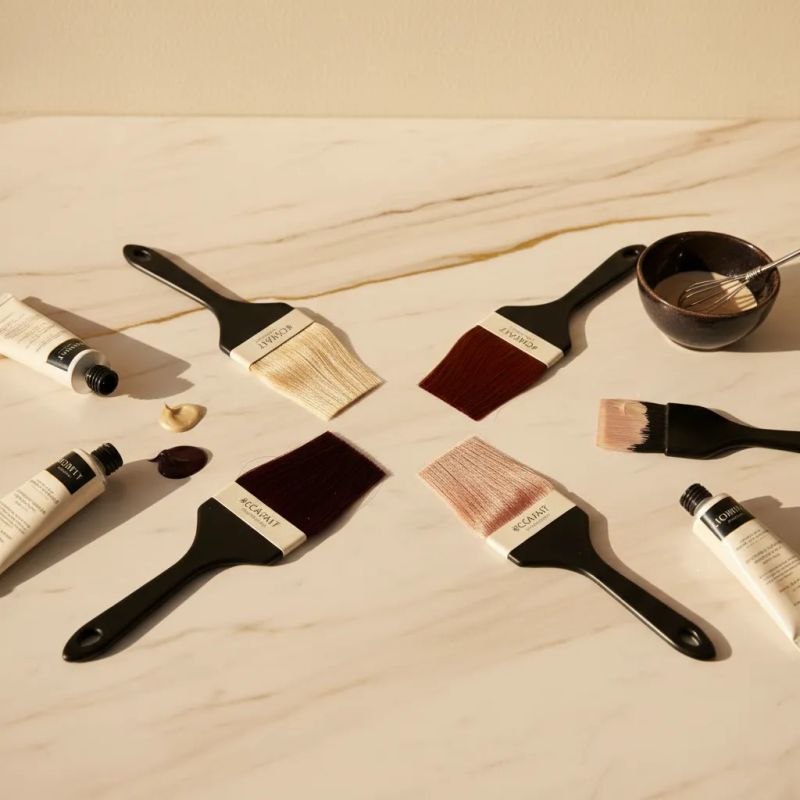
In short: 2026 hair color trends prioritize accessible sophistication: warm blondes (butter, vanilla, honey) replace icy platinum, brunettes gain multi-tonal dimension, coppers take center stage from subtle to vibrant, and fantasy colors mature into wearable versions like rose gold. The key is personalization based on skin tone and low maintenance.
What colors are clients asking for this year? The 2026 trends mark an interesting shift: less extremes, more sophistication. Icy platinum blondes give way to warmer, more natural tones. Flat brunettes transform into rich bases with dimension. And fantasy colors mature into more “wearable” versions.
In this guide you’ll see each shade in a photo, its professional formula, who it flatters, and the exact words to ask for it at the salon. And at the end of each color, a link to try it on your own photo with the AI simulator.
Updated mid-2026: warm coppers and butter blonde have held as the most requested shades through the first half of the year, confirming the warm-tone shift over icy platinum.
Cool, warm or neutral? Find the shades that flatter you
Before choosing a color, there’s one question that decides almost everything: is your skin tone cool, warm or neutral? This is your undertone, and it’s what separates a color that lights up the face from one that dulls it. In 2026 this is precisely the trend — “skin-tone hair,” color that harmonizes with your complexion rather than fighting it.
The wrist vein test gives you a quick first hint (look at the inside of your wrist in natural light):
| What you see | Your undertone | Flattering families |
|---|---|---|
| Bluish or purple veins | Cool | Vanilla blonde, mushroom, chocolate cherry, cherry red, lavender grey |
| Greenish veins | Warm | Butter blonde, honey, copper sunset, cinnamon, auburn |
| Can’t tell clearly | Neutral | Honey blonde, rich brunette, rose gold (almost everything works) |
It’s an orienting self-check, not a definitive diagnosis: light and skin thickness affect it. The fine analysis is done by your colorist, comparing skin, eyes and the reaction to test strands (draping) under natural light. As a rule of thumb: warm skin tones glow with golds and coppers; cool tones with ash shades and pink or violet reflects; neutral tones move between both. This guide marks the undertone that flatters each shade, so the choice is never a guessing game.
Want to skip the theory? Upload a photo to the AI color simulator and test the shades directly on your face. No account needed.
The trending blondes of 2026
The blondes of 2026 leave icy platinum behind and go warm, creamy and luminous. Butter, vanilla, honey, cashmere and mushroom: five shades running from golden to soft ash. According to the Pantone Color Institute, warm and golden tones are gaining ground over cool ones this season.
The formulas in this guide use the L’Oréal notation system (the first decimal is the reflect: .3 gold, .1 ash, .4 copper, etc.). Adjust the equivalence if you work with another brand.
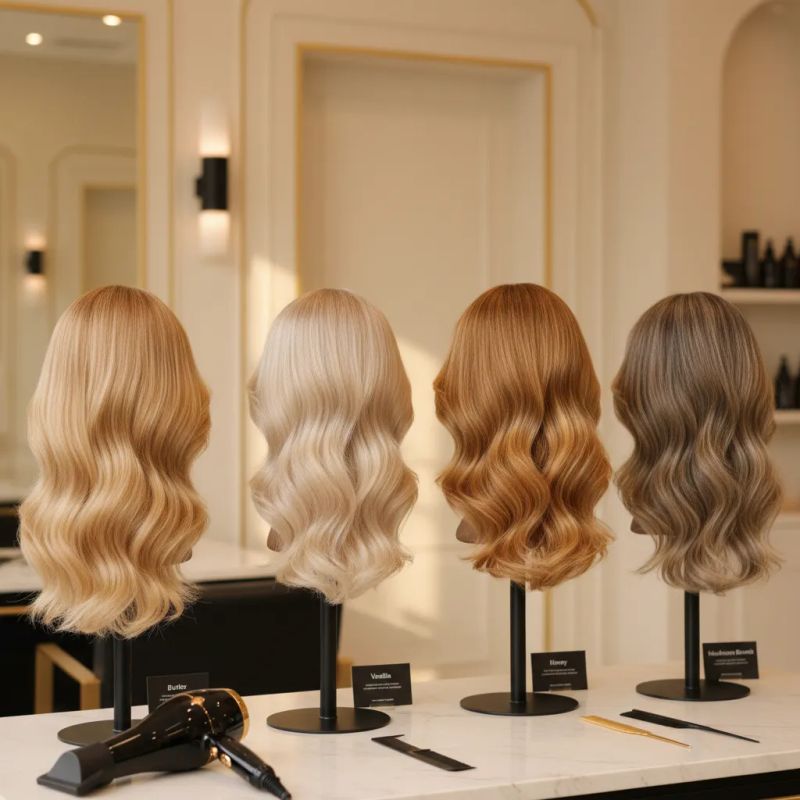
Butter blonde — the warm, creamy and luminous shade
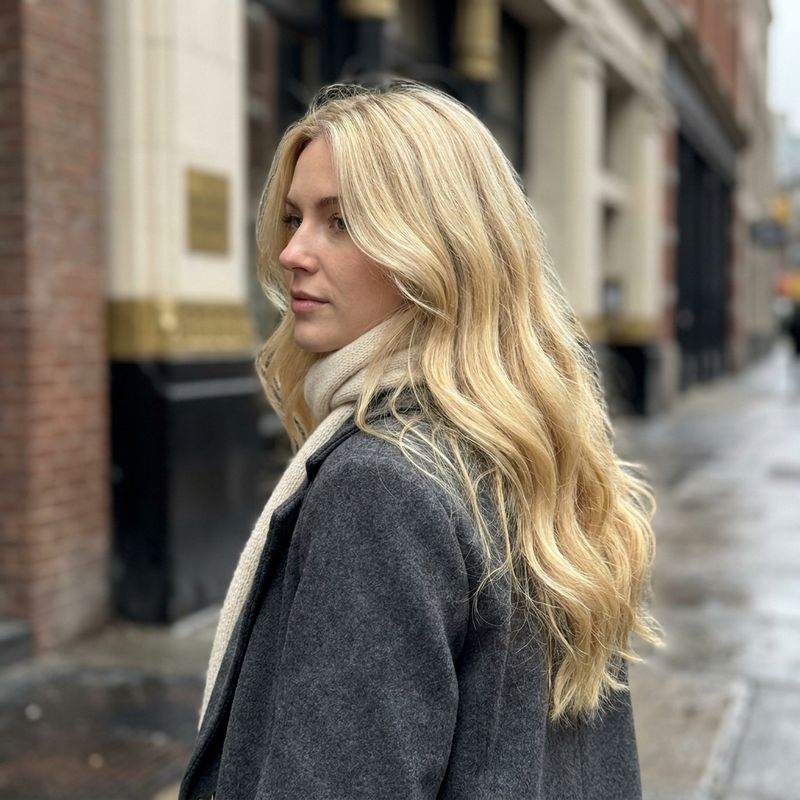
The star blonde of 2026. Warm, creamy and luminous, with that “sun-kissed child’s hair” look. No grey ash or icy platinum: soft gold is the rule here. It flatters warm and neutral skin tones especially, and green, hazel or warm brown eyes.
Technical profile
- Level: base 9-10 · golden reflect (.3)
- Formula type: 10.3 (50%) + 10.03 (30%) + 10 (20%) · developer 10-20 vol depending on condition
- Final tone: creamy gold, not straw yellow
- Maintenance: medium. Gold-pigmented toning mask to keep the warm tone (purple shampoo would dull the gold itself) + nourishing mask for shine
How to ask for it at the salon: ask for a “warm butter blonde, no ash,” with a soft golden reflect and blended root (shadow root) so it grows out without a demarcation line.
Vanilla blonde — the cool, sophisticated and fresh shade
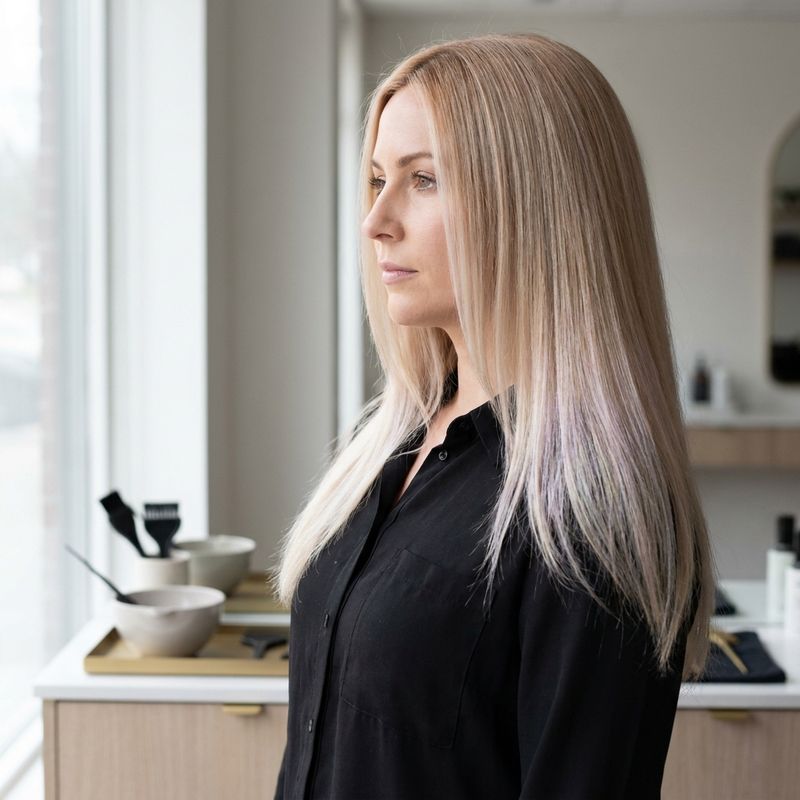
A cooler version of butter blonde, but nowhere near platinum. Balance between cool and warm, with an iridescent touch that makes it sophisticated rather than artificial. It suits cool skin tones (pink, porcelain) and blue or grey eyes.
Technical profile
- Level: base 9-10 · iridescent touch (.02)
- Formula type: 10.02 (40%) + 10.03 (30%) + 10 (30%) · developer 10 vol to deposit
- Final tone: creamy with freshness
- Maintenance: medium. Toner every 4-6 weeks to maintain the balance
How to ask for it at the salon: ask for a “vanilla blonde, neither golden nor platinum,” neutral-cool with a hint of warm light so it doesn’t look flat or ashy.
Honey blonde — the universal honey shade
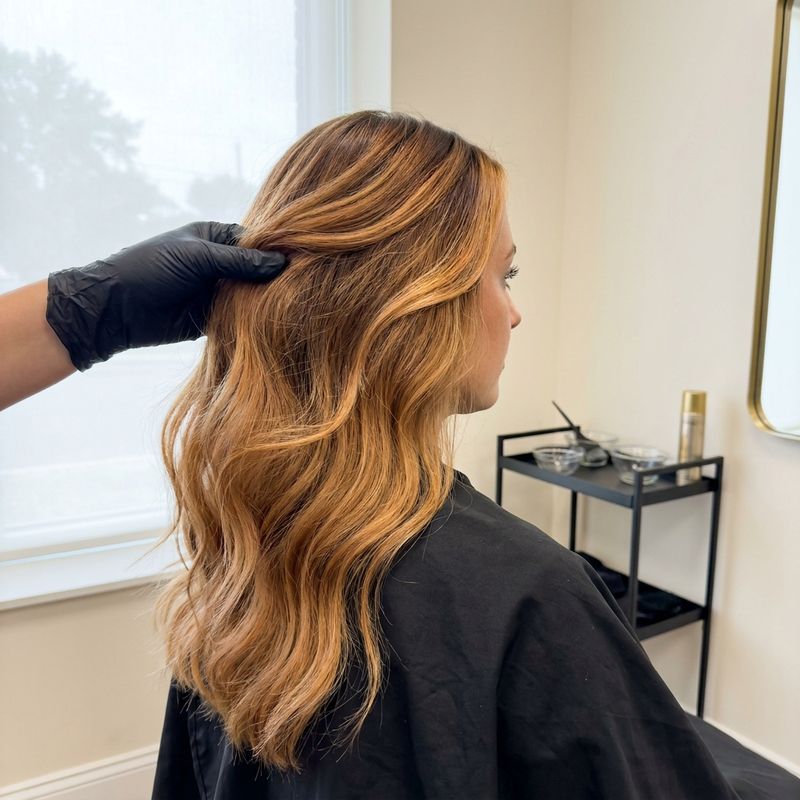
The most requested blonde for transitions from brunette, and the most versatile of all. A very natural look, perfect for balayage, and flattering on virtually every skin tone — especially medium tones. It’s the “safe choice”: when a client wants a change but isn’t sure which one, honey blonde almost never fails.
Technical profile
- Level: base 7-8 · golden and copper reflects (.34 or .43)
- Formula type: 8.34 (40%) + 8.3 (40%) + 7.0 (20%) · developer 20 vol
- Technique: ideal for balayage or foilyage
- Maintenance: low. The root grows in naturally, with no visible line
How to ask for it at the salon: ask for a “natural honey blonde balayage,” with golden reflects and a soft root for low-maintenance growth.
For detailed formulas by starting level, see the warm honey blonde guide.
Cashmere blonde — the universally flattering blonde
The most sophisticated blonde of the year: creamy, neutral and flattering on almost any skin tone. It’s the perfect balance between butter and vanilla, without falling into either extreme. For a complete technical guide on formulation and the Foiled Cashmere technique, see the dedicated article on cashmere blonde hair.
Mushroom blonde — the multidimensional mushroom shade
The 2026 version of ash blonde, softer and more sophisticated. Neutral-cool base with a very subtle ash touch, without looking grey, and multidimensional thanks to babylights. It suits cool and neutral skin tones that want depth without excessive coolness.
Technical profile
- Level: base 7-8 · subtle ash (.01)
- Formula type: 8.01 (50%) + 8.0 (30%) + 7.1 (20%) · developer 20 vol
- Technique: babylights + global color
2026 blonde comparison
This table helps you choose the ideal blonde for each client based on undertone and maintenance willingness:
| Blonde type | Level | Reflect | Best skin tone | Maintenance | Key formula |
|---|---|---|---|---|---|
| Butter blonde | 9-10 | Gold (.3) | Warm, olive, neutral | Medium (weekly purple shampoo) | 10.3 + 10.03 + 10 |
| Vanilla blonde | 9-10 | Iridescent (.02) | Cool, pink, neutral | Medium (toner every 4-6 wks) | 10.02 + 10.03 + 10 |
| Honey blonde | 7-8 | Gold-copper (.34) | Universal, especially medium | Low (grows out naturally) | 8.34 + 8.3 + 7.0 |
| Cashmere blonde | 8-9 | Creamy neutral | Universal | Medium | See dedicated guide |
| Mushroom blonde | 7-8 | Subtle ash (.01) | Cool, neutral | Medium (prevent graying) | 8.01 + 8.0 + 7.1 |
The trending brunettes of 2026
2026 brunettes are not flat: they’re multi-tonal. Rich brunette, chocolate cherry and espresso share one rule — never a single flat tone, always tonal variation that creates movement and depth. And they have one big advantage: lowest maintenance of all color families, with touch-ups every 8-10 weeks.
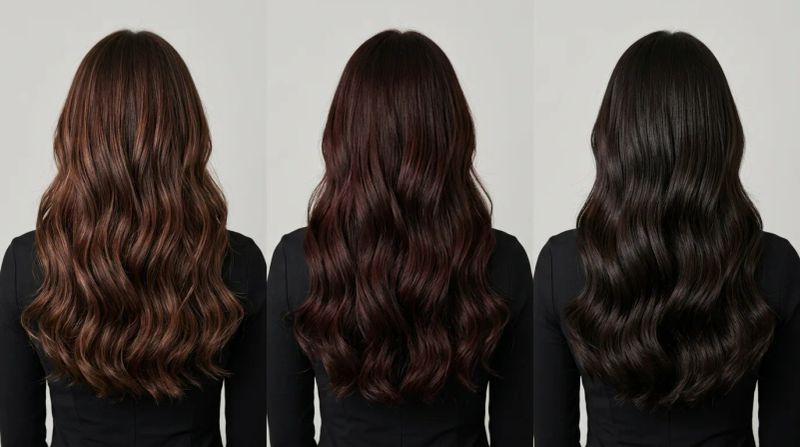
Rich brunette — the dimensional brunette with depth

Brunette doesn’t mean boring. Rich brunette bets on depth and intense shine, with subtle mahogany reflects. The difference between a flat brunette and one that vibrates lies in tonal variation: combining at least 2-3 close tones to create movement.
Technical profile
- Level: base 4-5 · mahogany reflects (.5)
- Formula type: 5.0 (60%) + 5.5 (20%) + 4.0 (20%) · developer 20 vol
- Technique: lowlights with 4.0 + highlights with 6.5 for dimension
- Maintenance: low. The color family that requires the least touch-up
How to ask for it at the salon: ask for a “brunette with dimension, nothing flat,” with mahogany reflects and a play of lowlights and highlights so it has movement in the light.
Chocolate cherry — the brunette with a cherry flash
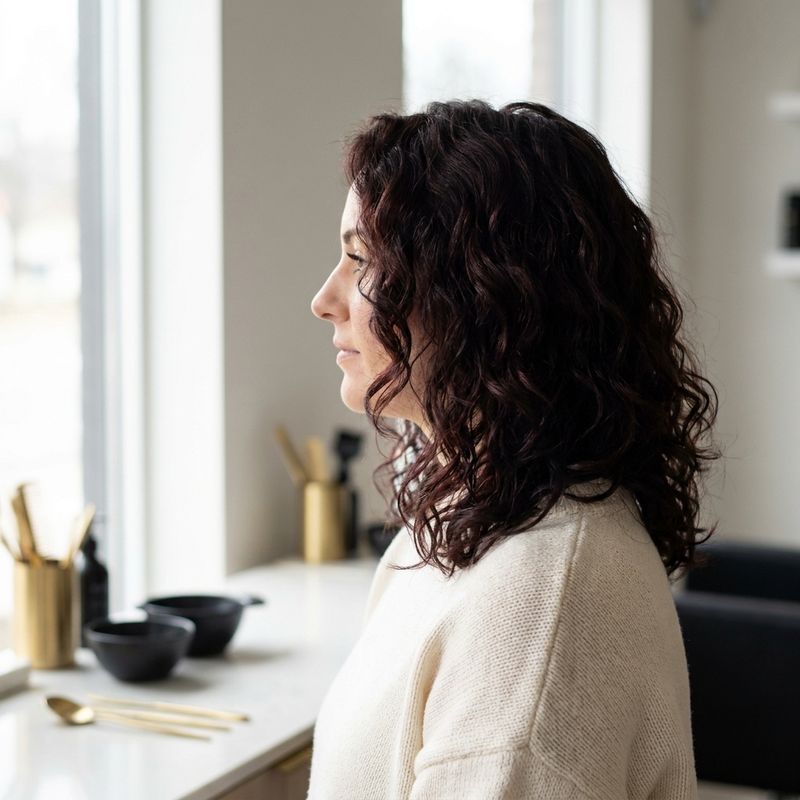
Brunette with red-violet undertone, very elegant. Depth with contained warmth and a luxurious look, with cherry flashes that appear in the light. It flatters cool and neutral skin tones, dark eyes, and clients who want “something different” without going radical.
Technical profile
- Level: base 4-5 · violet-red reflect (.52)
- Formula type: 4.52 (50%) + 5.5 (30%) + 4.0 (20%) · developer 20 vol
- Final tone: chocolate with cherry flashes
- Maintenance: medium-low. Violet gloss to refresh the flash
How to ask for it at the salon: ask for a “chocolate brown with a cherry flash,” deep but with a red-violet undertone that only shows up in the light.
Espresso — the intense brunette with mirror shine
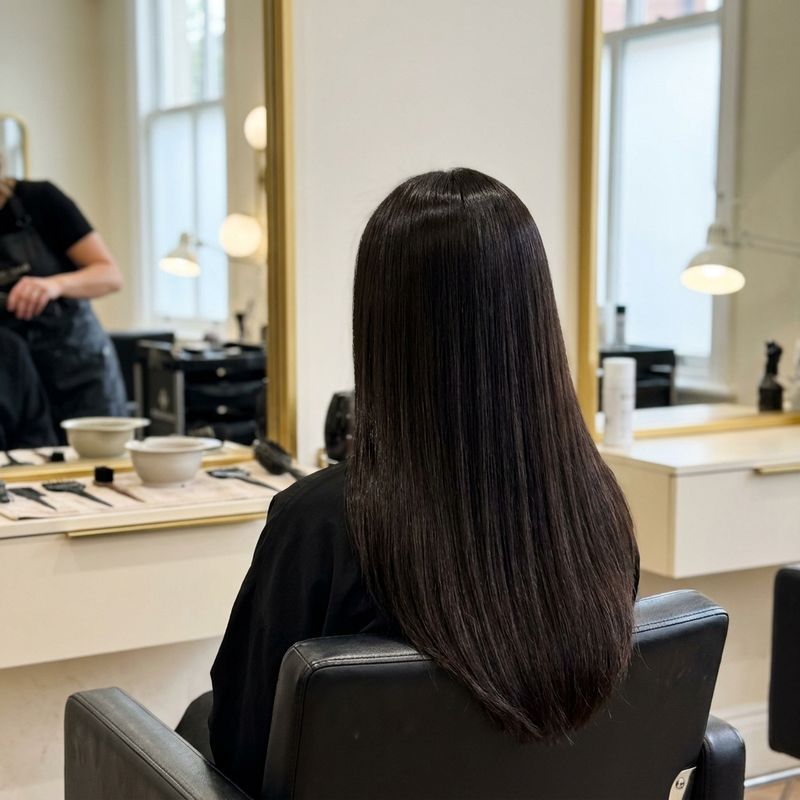
The darkest and deepest brunette, almost black but with dimension. Extreme depth and mirror-like shine. The secret to an espresso that doesn’t look “matte” is in the finish: always end with a gloss or shine treatment post-color.
Technical profile
- Level: base 2-3 · slight natural or ash reflect
- Formula type: 2.0 (70%) + 3.1 (30%) · developer 10-20 vol
- Key: post-color shine treatment mandatory
- Maintenance: low for color, but shine needs periodic gloss
How to ask for it at the salon: ask for an “espresso brunette with mirror shine,” very dark but with a final gloss so it doesn’t look dull or matte.
2026 brunette comparison
| Brunette type | Level | Undertone | Complementary technique | Shine |
|---|---|---|---|---|
| Rich brunette | 4-5 | Subtle mahogany (.5) | Lowlights + dimensional highlights | High with tonal variation |
| Chocolate cherry | 4-5 | Violet-red (.52) | Global color + violet gloss | High with cherry flashes |
| Espresso | 2-3 | Natural ash (.1) | Post-color gloss required | Maximum, mirror effect |
For the complete espresso technique, see the Espresso Martini Brunette guide. Other trending brunettes are chai latte hair and glazed pecan brunette, with their caramelized shine and sophisticated undertones.
Coppers: the breakout trend of 2026
2026 is definitively the year of coppers. As reported by Modern Salon, they’ve seen a 40% increase in demand compared to the previous year. They range from subtle to vibrant — cinnamon, copper sunset and strawberry copper — and share one challenge: without sulfate-free shampoo and a weekly pigmented mask, the color loses intensity in 2-3 weeks.
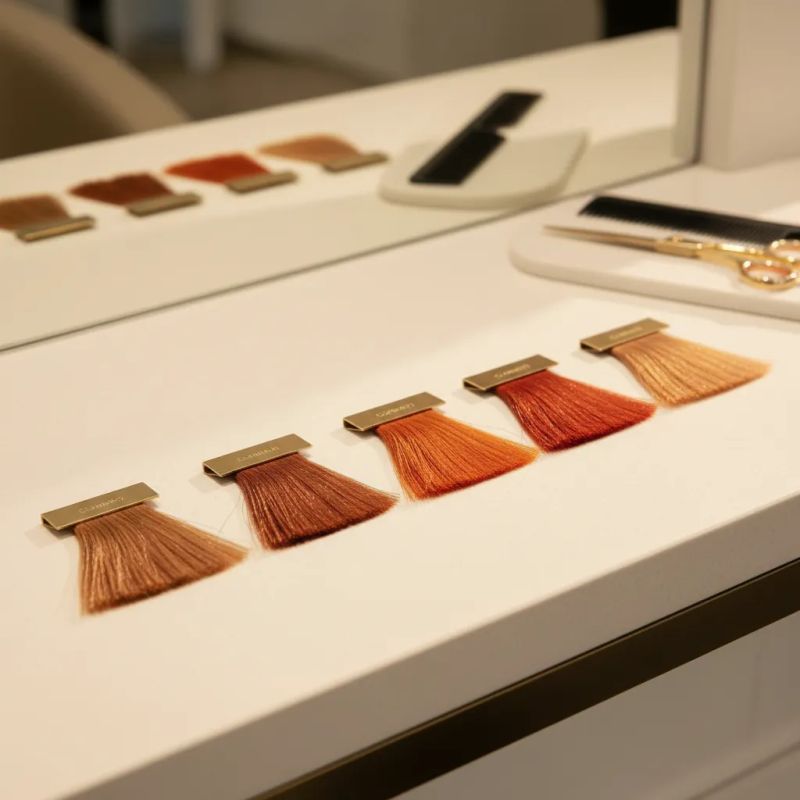
Copper sunset — the metallic sunset copper
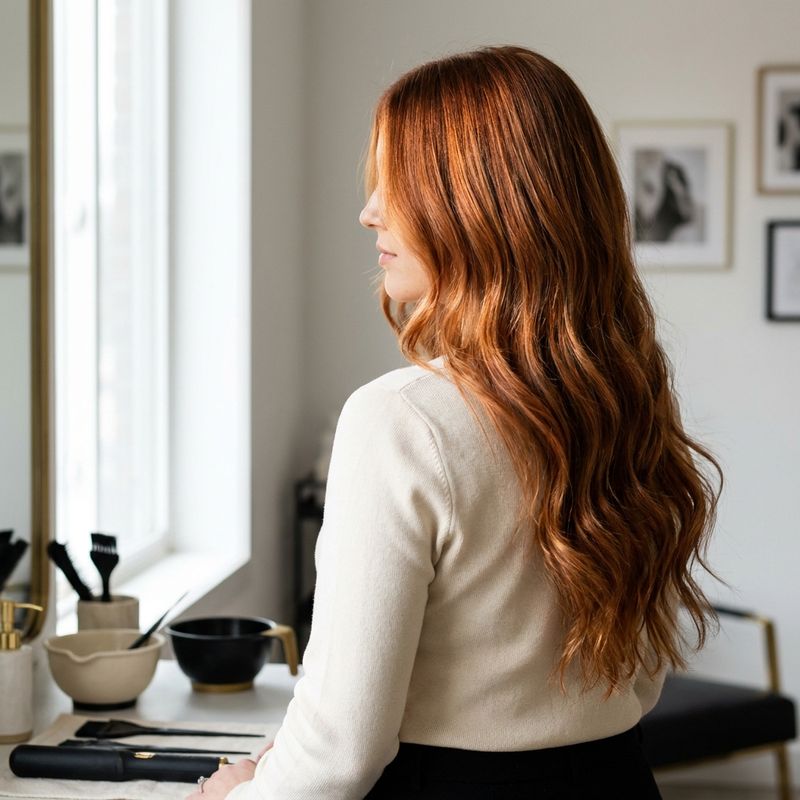
Warm, natural copper, like the light of a sunset. Intense reflect with metallic shine, natural but impactful. It’s the season’s star copper, ideal for warm skin tones. The challenge: it fades quickly and needs pigmented maintenance, so it’s not for clients who won’t commit to upkeep.
Technical profile
- Level: base 6-7 · intense copper reflect (.44)
- Formula type: 7.44 (50%) + 7.4 (30%) + 7.3 (20%) · developer 20 vol
- Technique: global or balayage from level 7+
- Maintenance: high. Sulfate-free shampoo + weekly copper pigment mask
How to ask for it at the salon: ask for a “metallic sunset copper, warm,” intense but natural, and ask about the pigmented maintenance kit to make it last.
Strawberry copper — the youthful strawberry copper
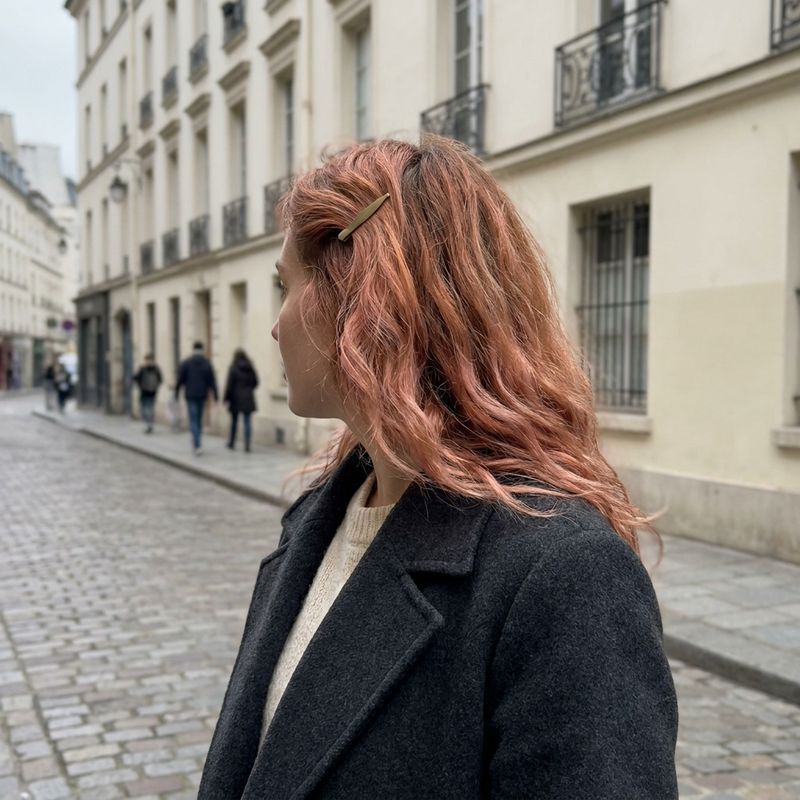
Copper with a pink touch, very on-trend this year. Youthful and fresh, semi-fantasy but perfectly wearable. It combines a copper base with a rosy tint that sets it apart from any other copper.
Technical profile
- Level: base 7-8 · copper + pink blend (.46)
- Formula type (2 steps): Step 1 — oxidative copper base 8.46 (50%) + 8.4 (50%) with 20 vol developer. Step 2 — after washing and drying, apply the pink direct semi-permanent as a gloss, no developer. Never mix the pink direct dye into the oxidative bowl: peroxide degrades the pigment
- Technique: copper base first, pink tint separately afterward
- Maintenance: high. The pink tint fades before the base; refresh with toner
How to ask for it at the salon: ask for a “strawberry copper with a pink touch,” fresh and youthful, over a light copper base.
Cinnamon — the entry-level copper
Softer copper, almost brunette with cinnamon highlights. Elevated natural, ideal for clients who want to try copper without too much commitment. It’s the perfect entry point to the copper family, especially for warm skin tones not yet ready for copper sunset.
Technical profile
- Level: base 5-6 · copper-gold reflect (.34 or .43)
- Formula type: 6.43 (50%) + 6.3 (30%) + 5.0 (20%) · developer 20 vol
- Perfect for: first copper experiences
Pro tip: copper maintenance is what makes the difference. Recommend sulfate-free shampoo + copper pigment mask 1x week. Without this, the color lasts half as long.
2026 copper comparison
| Copper type | Level | Reflect | Intensity | Maintenance |
|---|---|---|---|---|
| Cinnamon | 5-6 | Copper-gold (.43) | Soft, natural | Medium |
| Copper sunset | 6-7 | Intense copper (.44) | Vibrant, metallic | High |
| Strawberry copper | 7-8 | Copper + pink (.46) | Semi-fantasy | High |
The trending reds of 2026
The reds of 2026 are intense but refined. Cherry red and auburn share one chemical trait: red shows its fade sooner than any other colour family — not because of molecule size, but because the eye catches a drop in red intensity long before it catches the same loss in a cooler tone. That’s why both need sulfate-free shampoo and a pigmented mask to hold intensity.
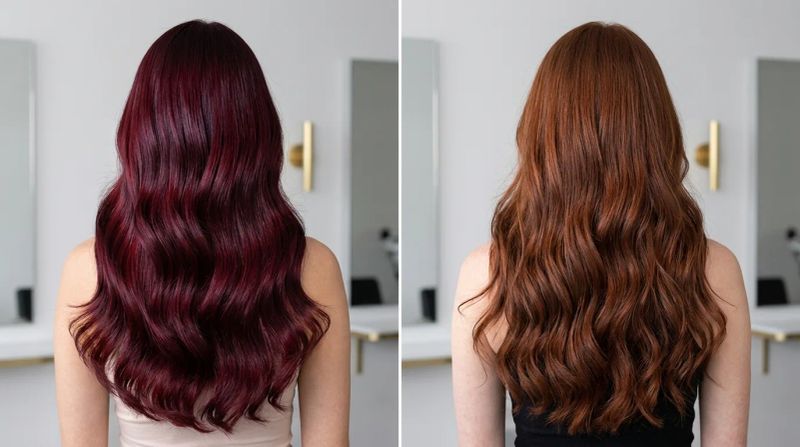
Cherry red — the editorial cherry red
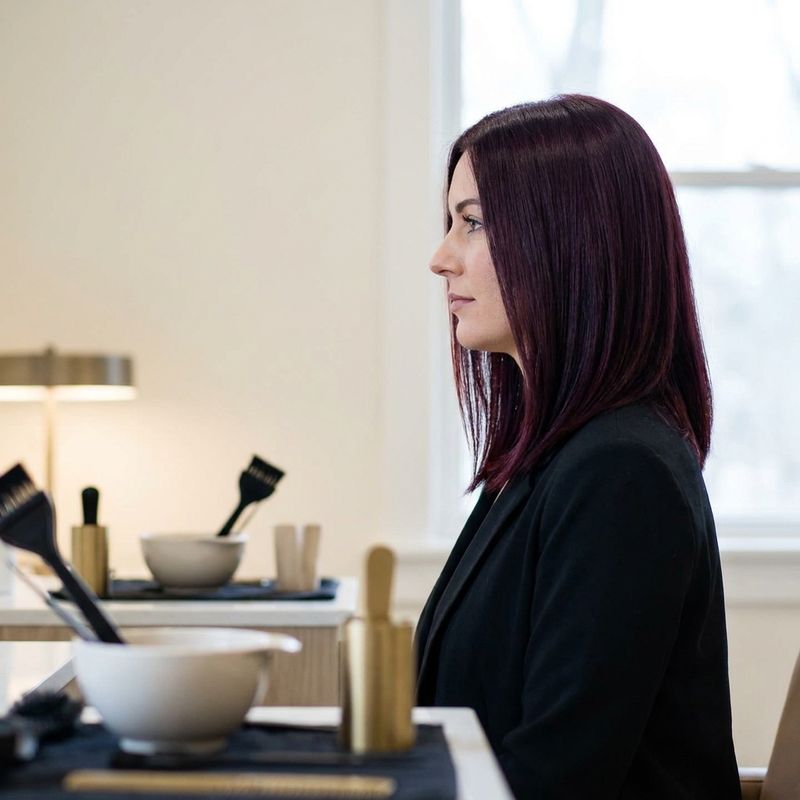
Deep red with a violet base. Intense but not neon, with an “editorial” look that catches the eye without being garish. It flatters cool skin tones and is the red for clients who want a change that makes a statement.
Technical profile
- Level: base 5-6 · red-violet reflect (.65)
- Formula type: 6.65 (60%) + 5.6 (20%) + 5.5 (20%) · developer 20 vol
- Pre-step: if the base is dark, lift to a clean level 7 to remove depth and underlying warmth; on that base the red develops vibrant even if the final tone is a 5-6
- Maintenance: high. Red is the fastest-fading color; pigmented mask mandatory
How to ask for it at the salon: ask for a “deep cherry red with a violet base,” intense but not neon, and commit to at-home upkeep with a red-pigmented product.
Auburn — the natural and elegant reddish brunette
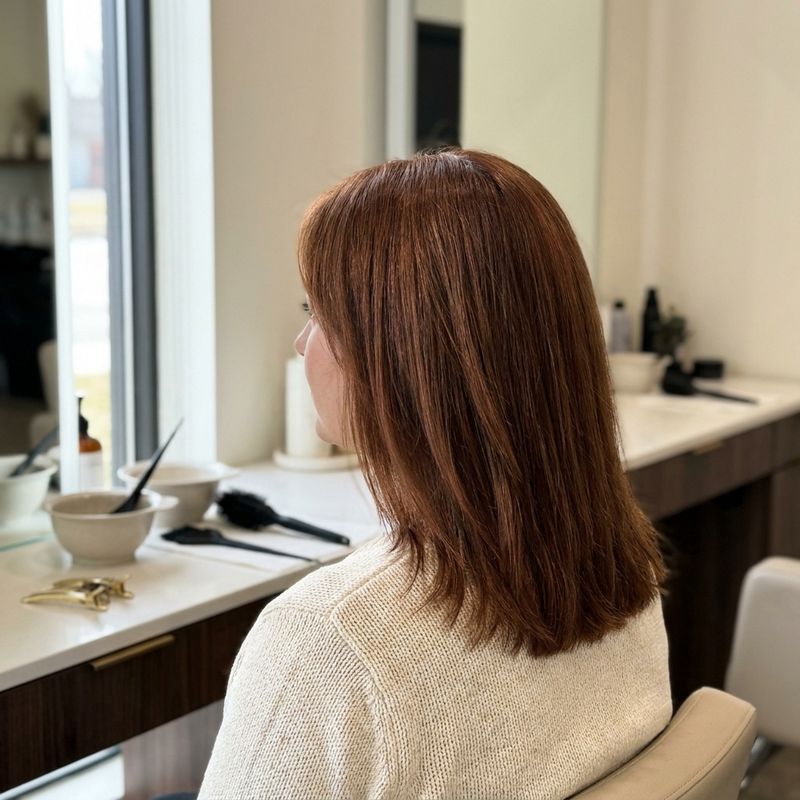
The most natural and elegant red. It’s where brunette and copper meet: more subtle than a pure copper, with a depth that makes it look completely natural. It flatters warm and medium skin tones, works on almost any dark natural base, and is suitable for professional settings where a vibrant copper would be too much.
Technical profile
- Level: base 5-6 · red-gold reflect (.64 or .46)
- Formula type: 6.46 (50%) + 6.4 (30%) + 5.6 (20%) · developer 20 vol
- Ideal for: clients who want red but discreet
- Maintenance: medium. The brunette-copper combination holds better than pure coppers
How to ask for it at the salon: ask for a “natural auburn, reddish brunette,” elegant and understated, ideal for a setting where intense copper would be too bold.
Fantasy colors in 2026
The fantasy shades of 2026 are adult and desaturated versions. Rose gold, lavender grey and dusty pastels share the same spirit: sophisticated, “wearable,” far from the saturated pastels of a few years ago. One reassuring fact: direct semi-permanent dyes are large molecules that coat the cuticle and penetrate only partially into the cortex, held by weak bonds — which is why they wash out relatively easily and the fantasy color itself barely damages. The real damage comes from the pre-lightening.
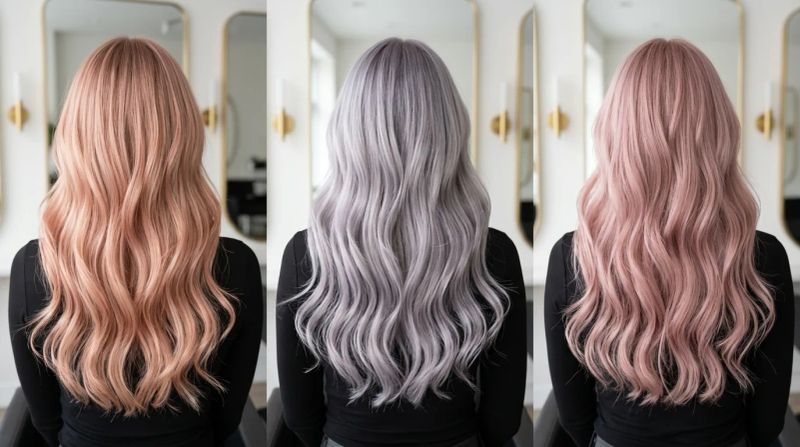
Rose gold — the elegant rose gold
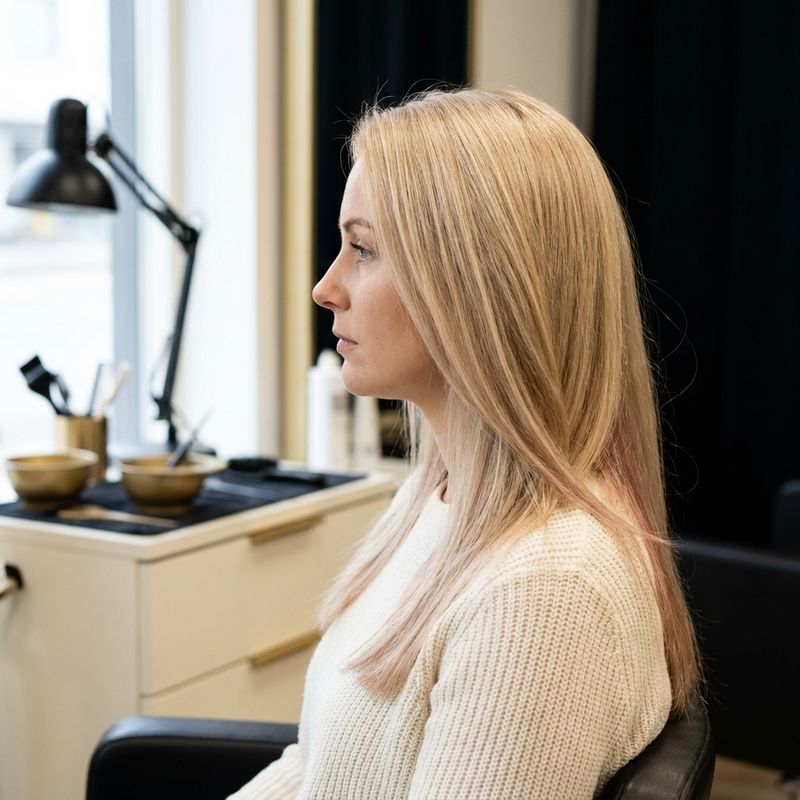
The most requested fantasy: elegant and subtle. A translucent pink-gold over a blonde base that, when it fades, does so toward a pretty blonde rather than an odd tone. It’s the entry point into fantasy for clients who don’t want to take risks.
Technical profile
- Level: blonde base 9-10 · diluted pink semi-permanent 1:3
- Formula type: lighten to level 9-10 + diluted pink semi-permanent 1:3
- Result: translucent golden pink
- Maintenance: medium. Fades elegantly; refresh with diluted semi-permanent
How to ask for it at the salon: ask for a “translucent rose gold over blonde,” subtle and elegant, not saturated pink.
Lavender grey — the futuristic lavender grey
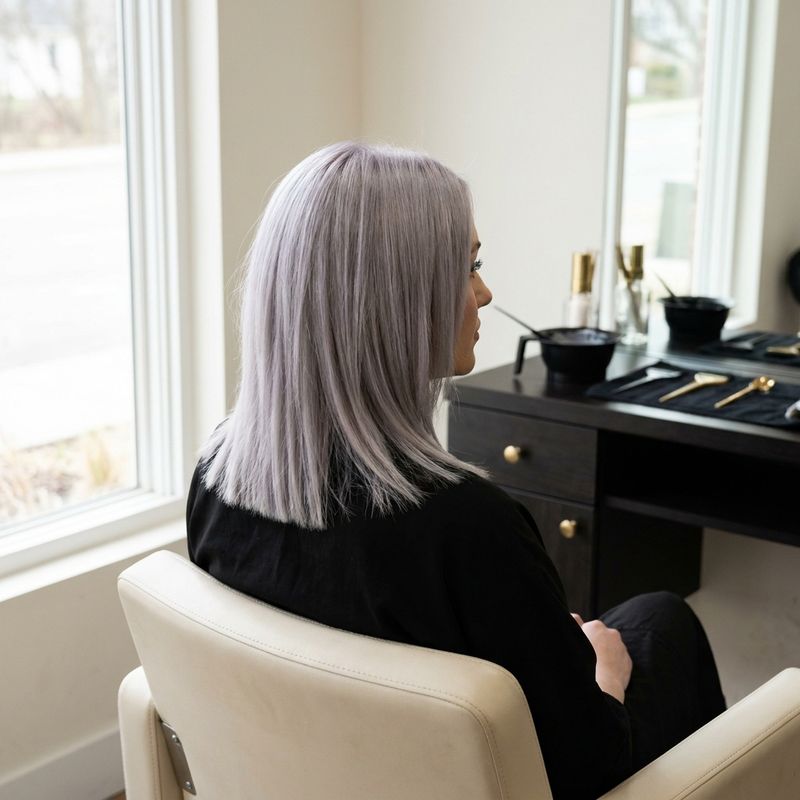
Grey with a lavender touch, very sophisticated. A futuristic yet elegant look, over a platinum base. It’s the most demanding fantasy in terms of maintenance, but also one of the most striking. It flatters cool skin tones and clients looking for a color that doesn’t go unnoticed.
Technical profile
- Level: platinum base 10, yellow-free
- Formula type: grey semi-permanent + violet blend (3:1)
- Maintenance: high. Toner every 2-3 weeks to prevent shifting
How to ask for it at the salon: ask for a “lavender grey over platinum,” and know upfront that it requires impeccable platinum as a starting point and frequent maintenance.
Dusty pastels — the sophisticated muted pastels
The adult version of pastels: pastel colors over a grey base, intentionally desaturated. Dusty pink, dusty blue, dusty green. The “muted” look is precisely what makes them sophisticated, and they also require less maintenance than pure pastels.
Technical profile
- Level: light base with grey tint
- Tone: desaturated pastels (dusty pink, blue, green)
- Maintenance: medium. Less demanding than saturated pastels
Which techniques best complement the 2026 trends?
Three techniques are key to completing any trend look: money pieces (front strands framing the face, 15-20 min extra, ideal with butter blonde and coppers), face framing (similar but more subtle and diffused, 10-15 min, ideal with honey blonde and cinnamon), and shadow root (intentional dark root, 5-10 min, eliminates the demarcation line on all blondes and reduces maintenance). Color drenching is the alternative for clients who want one saturated tone without highlights.
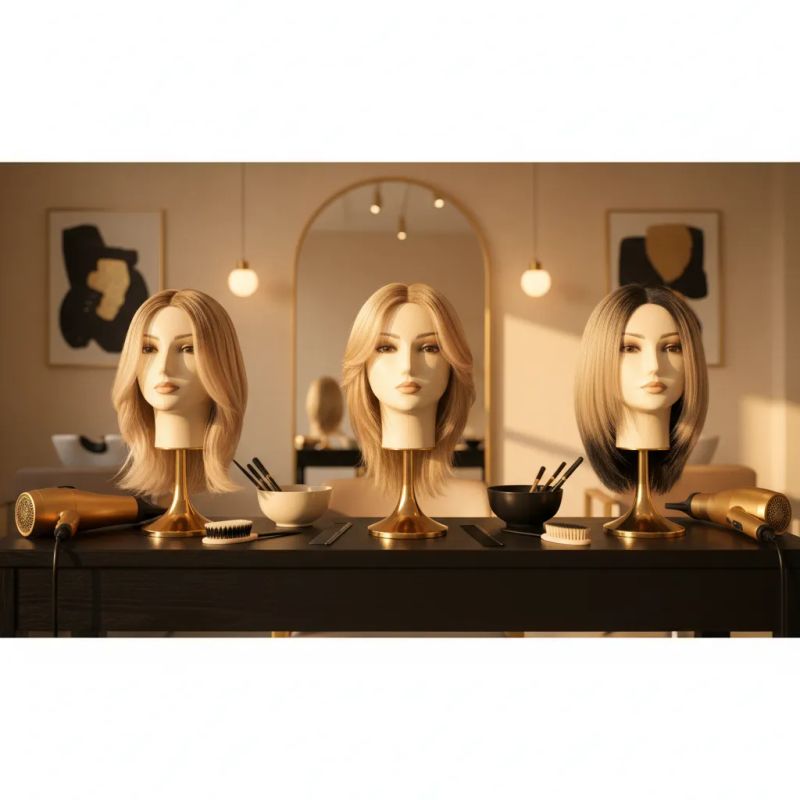
Money pieces
Light strands framing the face. Works with:
- Butter blonde over darker bases
- Coppers over brunettes
- Subtle fantasy over natural bases
Face framing
Similar to money pieces but more subtle and diffused. Ideal for:
- Natural honey blonde
- Soft cinnamon
- Any trend that wants “facial light”
For a more sophisticated facial-lighting technique with fine foils, halo highlights create a halo of light around the face with a very natural result and low maintenance.
Shadow root
Intentional dark root that blends toward the color. Perfect for:
- All blondes (reduces maintenance)
- Transitions to copper
- Any color that doesn’t want a demarcation line
Color drenching
The technique replacing balayage in 2026: one saturated tone from root to ends, no highlights or contrast. Color drenching achieves depth through the undertone, with less time in the chair and no pre-lightening needed.
Techniques by trend
Which complementary technique to pair with each look? This quick guide helps you decide:
| Technique | Best for trends | Application zone | Extra time | Result |
|---|---|---|---|---|
| Money pieces | Butter blonde, coppers over dark bases | Front strands framing the face | 15-20 min | Facial contrast, lifting effect |
| Face framing | Honey blonde, cinnamon | Face contour, diffused | 10-15 min | Subtle natural light, rejuvenating |
| Shadow root | All blondes, copper transitions | Root zone (2-4 cm) | 5-10 min | Eliminates demarcation line, low maintenance |
How to present the 2026 color trends to your clients
An effective consultation follows 5 steps: show visual examples of each trend, explain maintenance honestly, analyze skin tone, consider lifestyle and time available for at-home care, and propose alternatives when the first option isn’t viable. Cross-selling maintenance products is part of the service: each trend has a specific maintenance protocol that protects the color and increases the average visit value.
Effective consultation
- Show visual examples of each trend
- Explain maintenance honestly
- Analyze the client’s skin tone (if unsure which shade flatters, the guide on what hair color suits your skin tone simplifies the process)
- Consider lifestyle and time available for upkeep
- Propose alternatives if the first option isn’t viable
Pricing and services
| Trend | Complexity | Suggested price range |
|---|---|---|
| Rich brunettes | Medium | $$ |
| Warm blondes (from blonde) | Low-Medium | $$ |
| Warm blondes (from brunette) | High | $$$ |
| Coppers (from blonde/light brown) | Medium | $$ |
| Coppers (from dark) | High | $$$ |
| Fantasy | High | $$$-$$$$ |
Cross-selling
Each trend has associated maintenance products:
- Warm blondes: Mild purple shampoo, hydrating mask
- Coppers: Pigmented shampoo, copper mask
- Fantasy: Complete maintenance kit
Maintenance by color family
According to Modern Salon, coppers experience 40% more fading than brunettes in the first 3 weeks. This table helps set realistic expectations with your clients:
| Color family | Duration without maintenance | Key products | Touch-up frequency | Relative monthly cost |
|---|---|---|---|---|
| Warm blondes | 4-6 weeks | Mild purple shampoo, hydrating mask | Every 6-8 weeks | Medium |
| Rich brunettes | 6-8 weeks | Sulfate-free shampoo, shine gloss | Every 8-10 weeks | Low |
| Coppers | 2-3 weeks | Copper pigment shampoo, color mask | Every 4-6 weeks | High |
| Fantasy | 1-3 weeks | Full kit: pigmented shampoo + at-home toner | Every 2-4 weeks | Very high |
Frequently asked questions
Which trend is easiest to maintain?
Rich brunettes are the easiest to maintain because the color doesn’t fade as much as blondes or coppers. Also honey blonde with balayage technique, since the root grows in naturally.
Do coppers look good on any skin tone?
Not all. Warm coppers (sunset, cinnamon) flatter warm and neutral skin tones. Cooler coppers (strawberry copper) can work on cool skin tones. Always do a personal colorimetry analysis before deciding.
How long does a vibrant copper last?
Without specific maintenance, a vibrant copper loses intensity in 2-3 weeks. With sulfate-free shampoo and a pigmented mask, it can last 4-6 weeks while maintaining intensity.
Can you go from brunette to copper in one session?
It depends on the starting level. From level 5-6, yes, it’s possible in one session. From level 2-3, two sessions are probably needed to avoid damage and achieve the correct tone.
Do fantasy colors damage hair a lot?
Semi-permanent fantasy colors themselves barely damage. Direct dyes coat the cuticle and penetrate only partially into the cortex, without the oxidation reaction that opens the hair fiber, which is why they’re considered gentle treatments. What damages is the pre-lightening needed to get a light base. If the base is already blonde, the fantasy color is a gentle treatment.
In summary
2026 hair color trends are defined by:
- Warmer blondes: Butter, vanilla, honey instead of icy platinum
- Dimensional brunettes: Never flat, always with tonal movement
- Coppers as protagonists: The year of copper in all its versions
- Mature fantasy: “Wearable” and sophisticated tones
The key is not to copy trends blindly. It’s to adapt each one to the skin tone, lifestyle and expectations of your client.
Want to see how these trends would look on you? Try them on the AI color simulator — upload your photo and choose from 17 colors. No account needed.
Want personalized formulas for each trend? Formulate with Blendsor. The AI analyzes your client’s photo and suggests which trends flatter them and how to formulate them.
This article is regularly updated with the latest trends. Last update: June 2026.
Articles in this guide
- Boy Blonde Hair: the Trending Blonde for Spring 2026
- Butter Blonde Hair: What It Is and How to Make It Last
- Copper Hair Formulas 2026: From Dark Copper to Ginger
- How to Achieve Copper Hair on a Dark Base: Professional Guide
- Espresso Martini Brunette: 2026 Trend Guide
- Ginger Glow: The Copper Trend of 2026 and How to Achieve It
- Spring Hair Color Trends 2026: The Tones Coming In
- Teddy Bear Blonde: The Warm Blonde of 2026
- Warm Honey Blonde: Professional Formulas by Starting Level
Related articles
Practice with our colorimetry tools
Calculators, neutralization wheel, AI consultation...
The Blendsor newsletter
Color techniques and trends for professionals. No spam.
A client in the chair right now?
The Blendsor advisor gives you the precise formula for this technique with your salon's brands — and saves it to your client's card.
Ask about your caseWritten by the Blendsor team
Professional hair colorimetry experts with experience in AI-assisted formulation. We combine color science, salon practice and technology to help colorists formulate with precision.