Does Lemon Lighten Hair in the Sun? What It Really Does
The lemon and sun hack for lightening hair in summer: what's actually true, what it really does to your hair, and when it turns your color orange.
Blendsor
Blendsor Team
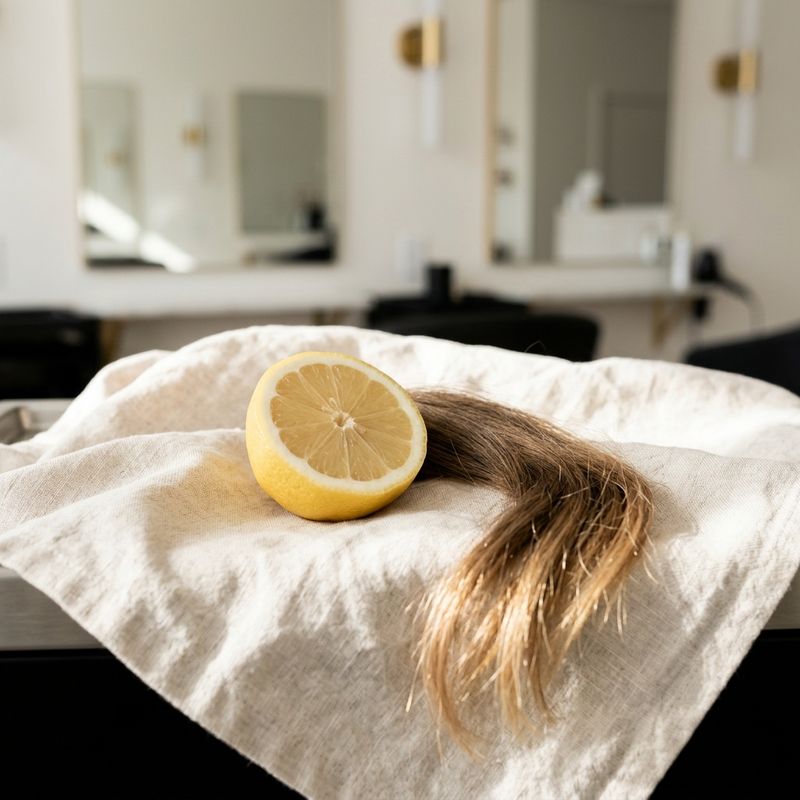
You’ve seen it on TikTok, a friend swore by it, or you tried it as a teenager: squeeze on some lemon juice, sit in the sun, and your hair lightens up. No cost, no salon needed.
Here’s the awkward part: it’s half true. Lemon and sun do lighten hair a little, but not the way you think, not where you want it, and if your hair is color-treated, it can leave you with a tone you never asked for.
Here’s what actually happens when you combine lemon and sun on your hair, how much it really lightens (not much), what it does to the strand, and when it’s flat-out a bad idea.
Quick answer: What lightens is mostly the sun: its UV radiation breaks down some of the melanin in the hair, and lemon joins the hack, though we haven’t found a study that measures how much it adds. It lightens a little, mostly on hair that’s already light. But it’s uneven, it damages the strand (the sun oxidises it and leaves it porous), and on color-treated or highlighted hair it can push the color toward orange. It’s a surface effect, not real lightening.
Does Lemon and Sun Actually Lighten Hair?
Yes, a little. What lightens is mostly the sun: UV radiation breaks down some of the melanin (the natural pigment that gives your hair its color) in the part of the strand that gets the most light. Lemon is acidic and rides along with the sun, but there’s no figure we can give you for its share. The result is a slightly lighter tone, which can lean warm or golden.
Now the fine print, which is where the hack falls apart:
- It lightens a little, and only on the surface. It doesn’t lift “levels” the way bleach does. It touches the pigment on the outside, not what’s inside the hair shaft.
- It’s unpredictable. It depends on how much sun, how much lemon, your hair type, and how the light hits you. Two sections of the same head can end up looking different.
- It works better on hair that’s already light. On dark brunette hair it’s barely noticeable; on blonde or light brown hair it shows more, and so does the damage if it goes wrong.
Think of it like running your hair through a toaster on low with no dial: it browns a bit, but you don’t get to choose how much or where.
What to Expect from the “Before and After”
The before-and-after photos you see online tell you little: the light changes, the starting hair changes, and so do the days of sun behind them. On light hair, the usual outcome is a slightly more visible golden tone where the sun hits most; on dark hair, at most a warmer reflection. An even blonde or a result you control isn’t part of the deal. And the “after” that doesn’t make the photo is the feel: drier and rougher.
What Lemon Really Does to Your Hair
Here’s the part almost nobody tells you in the usual short video. The same mechanism that lightens your hair is what damages it.
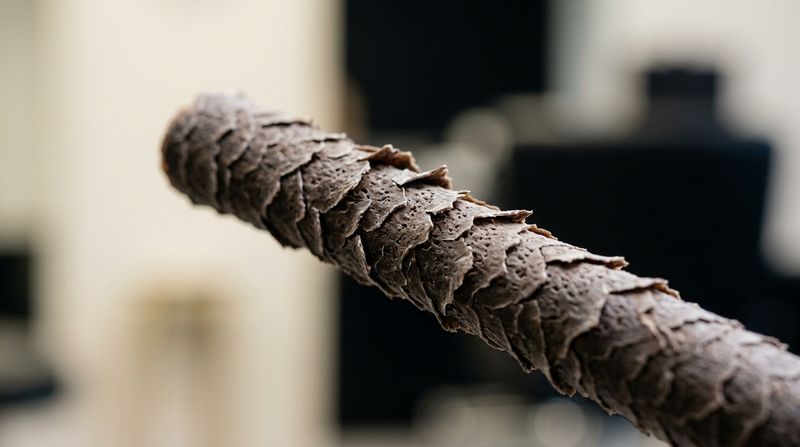
Hair has an outer layer, the cuticle, that works like shingles on a roof: closed, hair looks shiny and healthy. And here’s a misunderstanding worth clearing up: acid doesn’t lift those shingles. An acidic pH contracts them. That’s exactly why an acidic gloss or conditioner seals the hair and adds shine, and why bleach needs an alkaline agent to open it.
What damages the fibre is the sun. Ultraviolet radiation breaks down melanin (that’s the lightening) and, along the way, oxidises the proteins and the lipid layer coating the cuticle. That layer wears away until the shingles are eroded and lifting. Lemon opens nothing, and how much it adds to that damage hasn’t been measured anywhere we could find: what’s certain is that whoever tries it spends the afternoon in the sun. The end result is the same porous, rough, fragile hair, but it’s worth knowing what actually causes it.
| What the hack promises | What actually happens |
|---|---|
| Lightening with no product | Lightens a little, unevenly, only on the surface |
| It’s natural, so it’s gentle | ”Natural” doesn’t mean “gentle”: it’s the sun of those afternoons that dries hair out |
| Pretty blonde | Tends toward golden-orange, and fades color-treated hair |
| Repeat it all summer | Repeating it is exactly what wrecks your hair most |
Being a kitchen ingredient doesn’t make it gentle on hair. Repeating it afternoon after afternoon, with hours of sun on top, is a pretty reliable recipe for ending summer with dry, rough ends.
What If Your Hair Is Color-Treated or Highlighted?
This is where the hack goes from “mediocre result” to “expensive problem to fix.” Sun alone already fades and warms up color-treated hair. And anyone putting lemon on sits in the sun for a good while, so: a permanent color can shift toward warmer, more orange tones if its cool reflect fades; highlights or a blonde can turn yellow or orange because lemon and sun expose the warm undertone underneath; a fantasy color (pinks, mauves, ash tones) can fade a lot sooner. You paid for that color, and lemon plus sun can undo it without you ever deciding to.
Does lemon lighten dyed hair? Not the way you want. It doesn’t lift the dye evenly: what it does, together with the sun, is dull and warm the color in patches. The typical “after” isn’t a clean, lighter shade but an uneven color, with some parts more golden or orange than others. If you want to lighten color-treated hair, that’s decided at the salon with your color history on the table, and even there nobody can promise a result before seeing how your hair responds.
If it has already turned orange, here’s where that tone comes from: orange hair after bleaching. If summer has already left your color dull, see restoring hair color after summer. If you’re not sure how much damage summer already did before you try anything new, check how sun and chlorine affect your color first.
If You’re Still Tempted: What Isn’t Optional
We’re not here to lecture you, but first things first: if your hair is color-treated, highlighted, bleached, or damaged, skip this hack entirely. If that’s not you and you’re still tempted, you won’t find a recipe here, but three things aren’t optional:
- Don’t turn it into a routine. The more afternoons you repeat it, the more hours of sun the strand piles up and the drier it gets. Lemon as an every-beach-afternoon habit is exactly what breaks it most.
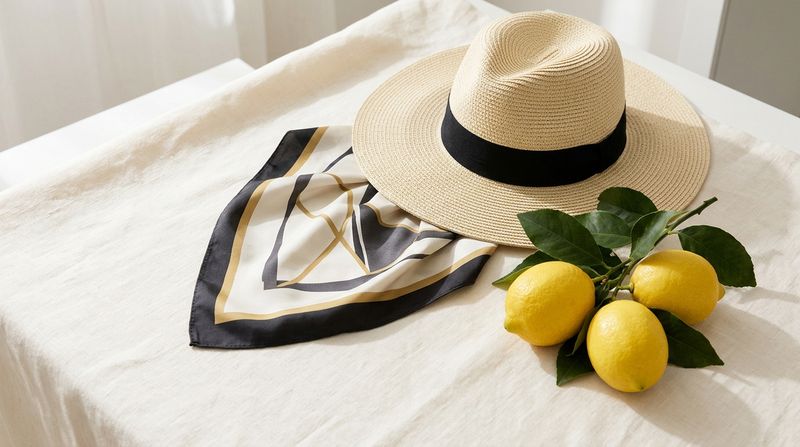
- Protect your hair from the sun. Hair needs sun protection too. Use a leave-in with UV filter, or cover up with a hat or scarf during peak sun hours. Follow up with a nourishing hair mask.
- Watch your skin, not just your hair. Keep lemon off your scalp, face, ears, and neck, and rinse off any splashes before you go out in the sun. Lemon on skin plus sun exposure can cause burns and brown spots that are slow to fade. It’s the easiest part to skip and the hardest one to fix.
Honest warning: on color-treated, highlighted, bleached, or damaged hair, lemon and sun have far more to ruin than to lighten. So on that hair, don’t try it at all.
Try It on Your Photo Before You Touch Your Hair
Before you experiment with juice and sunlight, you can see how a lighter shade would actually look on you, with no risk to your hair. Just try it on a photo. Our hair color simulator lets you upload a photo of yourself and try it there: no lemon, no sun, no surprises.
At the Salon, Ask for It This Way
A good lightening job isn’t improvised in the sun: it’s planned. Three phrases that save you from a bad surprise:
- “I want to lighten a couple of shades, but I want my hair taken care of.”
- “I have color or highlights already. I don’t want the lightening to pull orange.”
- “I’d rather go gradual and natural, not a drastic change.”
The term your colorist is looking for is progressive lightening: instead of a jump, a luminous gradient. From there, your colorist will tell you whether fine babylights, a soft balayage, or a gloss fits you better. That call is theirs to make, not yours and not the lemon’s: they look at your starting point, your color history and where you want to end up, and choose the route. Before your appointment, it also helps to lock in your color for summer so it holds up once you’re back in the sun and the pool.
Two tests worth bringing up in that conversation:
- The strand test. Before lightening the whole head, it’s tried on a hidden strand to see how your hair responds. If your hair comes back from summer sun (or lemon) already stressed, elasticity gets checked on that same strand: hair that stretches and doesn’t spring back isn’t ready for more chemistry that day. What to share with your colorist beforehand: what to tell your colorist before coloring.
- The allergy test, if the plan includes dye or an oxidative toner. At the very least, not on the same day as the color appointment. Wella’s Koleston Perfect leaflet says to always perform an allergy test 48 hours before any color service. If it shows redness, burning or itching, the color isn’t applied and you need medical advice before coloring again; and if you’ve ever had an allergic reaction to a hair dye, you shouldn’t color. How to fit it into the schedule: the 48-hour patch test.
Coming off a summer in the sun and want to lighten or dye? It also helps to read whether you should wait to dye hair after summer and how to prepare the hair before lightening.
FAQ
How much does lemon and sun actually lighten hair?
Not much, and only on the surface. A slightly lighter, golden tone, mostly noticeable on hair that’s already light. It doesn’t lift “levels” like salon bleach, and it’s uneven: some areas take more than others.
Is lemon bad for hair?
It’s not toxic, but to make it work you sit in the sun for hours, and that repeated sun dries hair out, makes it porous and rough, and can leave it brittle. The more often it’s repeated, the more damage it does.
Can I use lemon if my hair is color-treated?
Better not to. It can shift color toward orange, fade cool tones, and undo your salon work. The most expensive problem usually isn’t the orange tone: it’s patchy, uneven porosity that sometimes needs more than one session to fix.
Is there a natural, safe way to lighten hair?
Not one that’s both: what lightens hair in summer is the sun, and the sun is also what damages the strand. If you like the glow it leaves, let it come on its own, without forcing it with juice, and protect your hair from the sun anyway. For a real change, a gradual professional lightening is planned with your hair in front of you: you and your colorist decide how far to go, instead of leaving it to chance.
In Short
- Lightens a little and only on the surface: it doesn’t lift levels.
- Uneven and unpredictable.
- Dries out the strand (the sun oxidises and wears down the cuticle, and the hack only happens if you stay out in it for hours).
- A bad idea on color-treated hair (it shifts toward orange).
- If you’re still tempted: don’t make it a habit, keep it off your skin, use a UV filter and hydrate. On color-treated, highlighted or damaged hair, skip it.
Try It on Your Photo with Blendsor
Curious how a lighter shade would actually look on you? Try it on your photo with the Blendsor color simulator: no lemon, no sun, no regrets. Would you go for it, or is your hair already too fragile to risk it?
Manufacturer sources
Manufacturer documents consulted for this article. A copy of each one is kept, and the passages noted from it are checked against that copy.
What happens if you lighten hair with lemon and sun?
In the app, we ask you a question like this one, but about your own client.
Up for this week’s case? → More on blondes and lightening →Related articles
Practice with our colorimetry tools
Calculators, neutralization wheel, AI consultation...
The Blendsor newsletter
Color techniques and trends for professionals. No spam.
A client in the chair right now?
The Blendsor advisor gives you the precise formula for this technique with your salon's brands — and saves it to your client's card.
Ask about your caseWritten by the Blendsor team
Professional hair colorimetry experts with experience in AI-assisted formulation. We combine color science, salon practice and technology to help colorists formulate with precision.